
Users
Cardholders, Merchants, Risk & Operations Teams
Industry
Financial Services / Payments
Product Stage
Scaled, Ecosystem-Integrated Platform
Digital Wallet Integrations (Apple Pay / Google Pay)
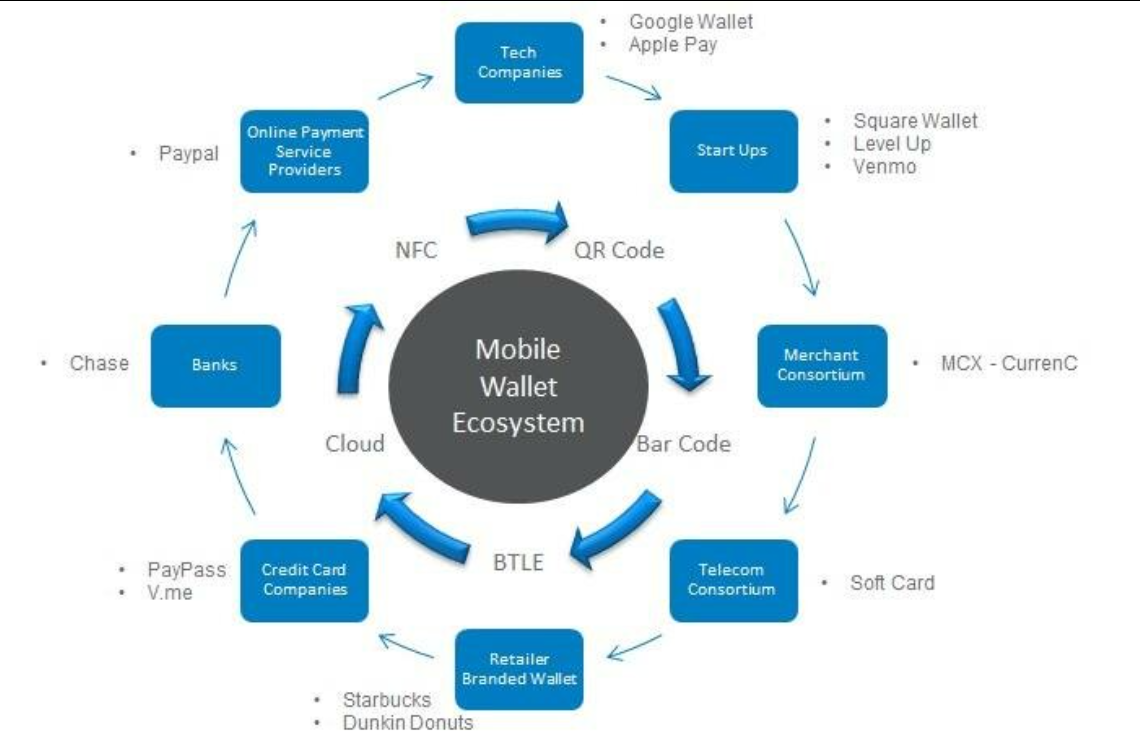
Digital wallet integrations sat at the intersection of internal payment systems and external ecosystems. Enabling wallets like Apple Pay and Google Pay meant extending existing card payment flows into environments governed by external rules, certification requirements, and platform-controlled user experiences.
Unlike internal platforms, progress here was constrained not just by engineering capacity, but by partner timelines, network requirements, and strict launch criteria. Small misalignments could delay releases or introduce inconsistencies that were difficult to correct after launch.
Context and Scale
These integrations operated at consumer-facing scale:
-
Supporting mobile and contactless payments for millions of cardholders
-
Touching both in-store and online transaction flows
-
Depending on external wallet providers, card networks, and device platforms
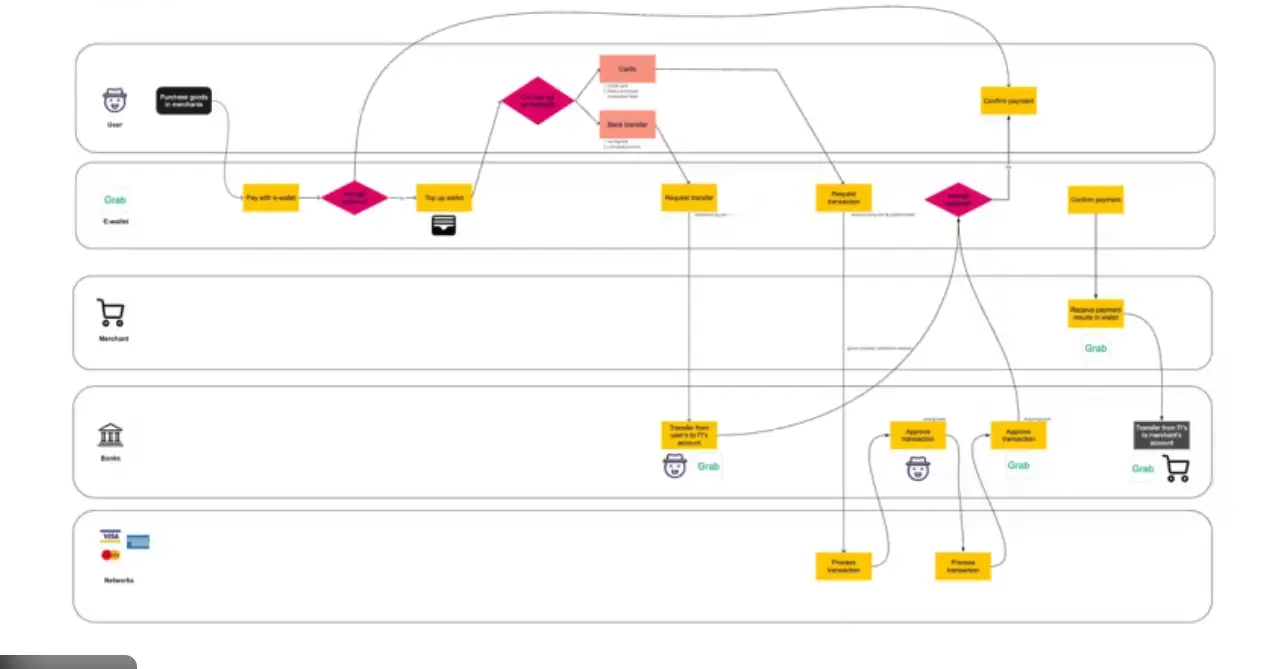
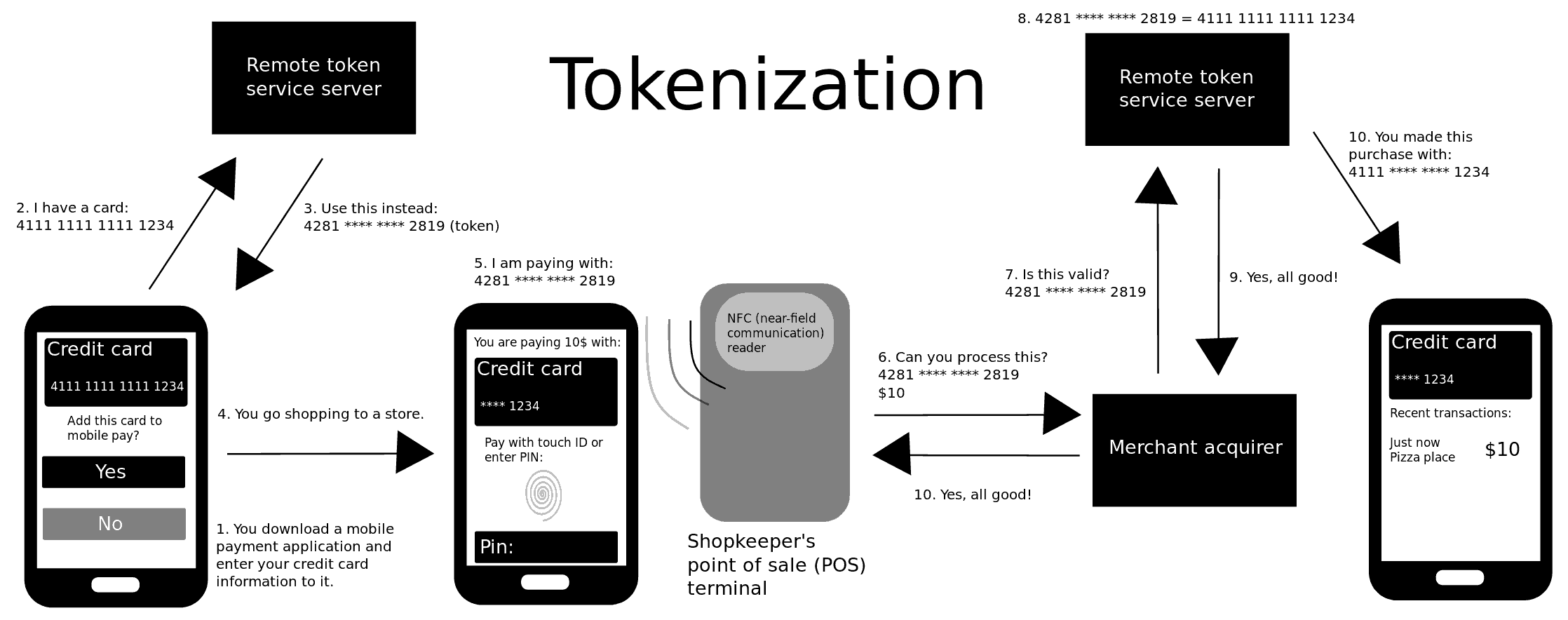
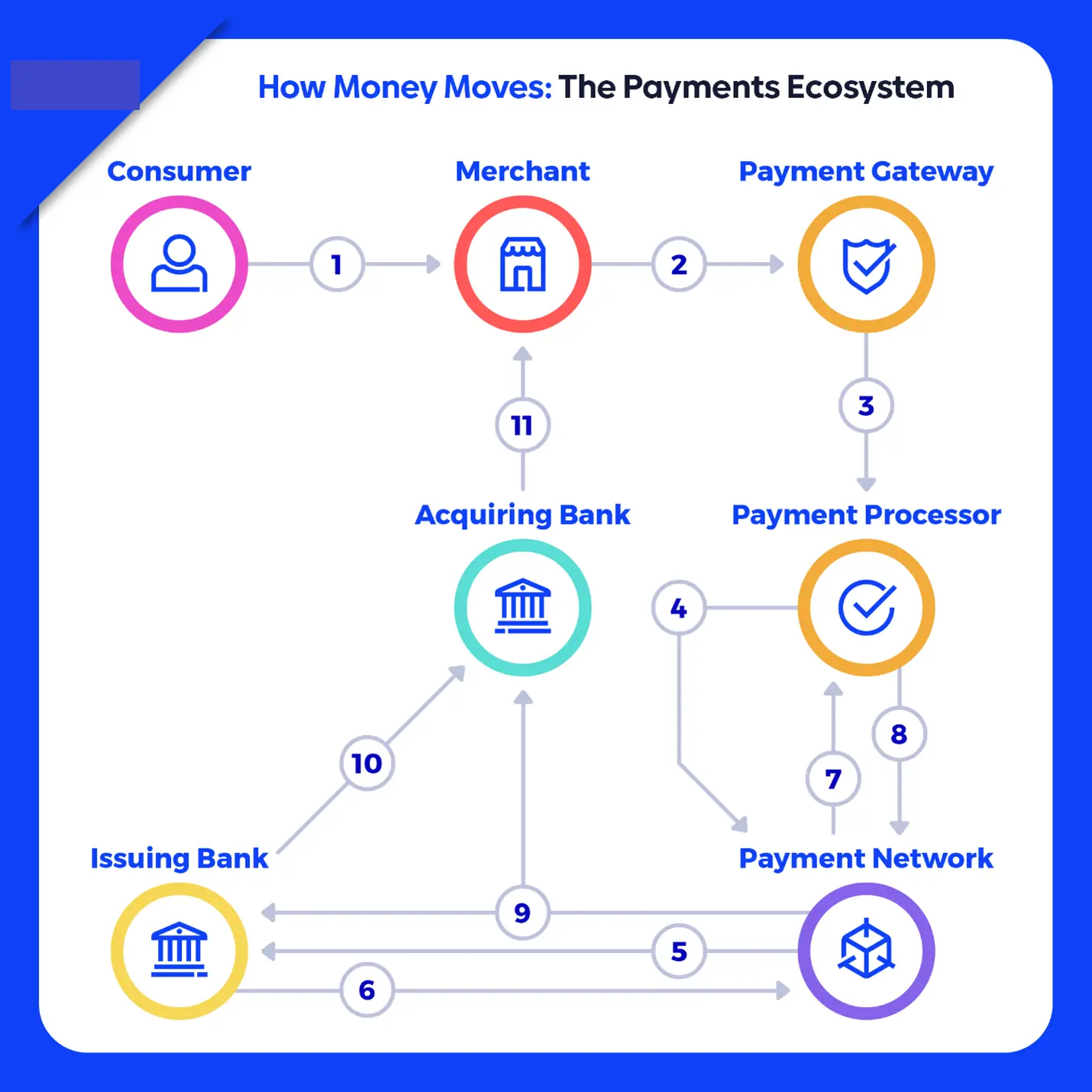
While wallet usage was highly visible to customers, most of the complexity lived behind the scenes in tokenization, provisioning flows, and how wallet transactions were authorized and settled through existing payment infrastructure.
The Problem
As wallet adoption accelerated, the existing payments stack needed to support:
-
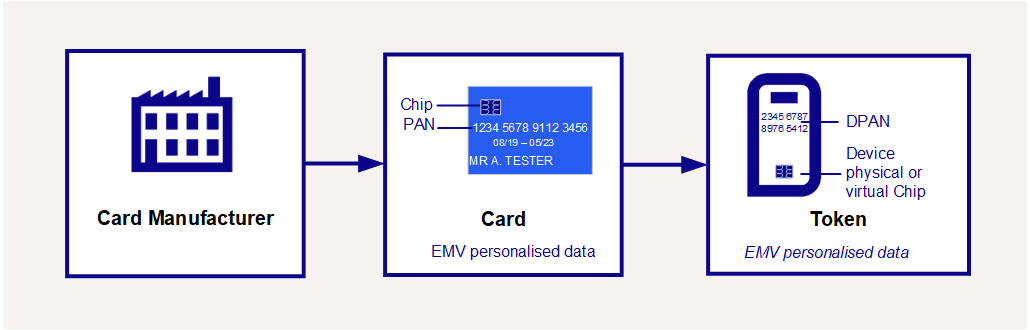
Tokenized transactions instead of raw card data
-
New provisioning and lifecycle flows
-
Wallet-specific authorization and risk considerations
At the same time, wallet providers imposed strict technical and operational requirements. Certification failures or inconsistent behavior could block launches entirely, regardless of internal readiness.
The challenge was enabling wallet support quickly enough to meet customer expectations without fragmenting the core payment platform or introducing one-off behavior that would be costly to maintain.
My Role
I was responsible for shaping how digital wallet capabilities were introduced into the payments platform.
That included:
-
Sequencing wallet-related changes across authorization, encryption, and downstream systems
-
Aligning internal teams on what needed to change versus what needed to remain stable
-
Coordinating with external partners while keeping internal decision-making grounded in platform health
Much of the work involved translating external requirements into changes that fit cleanly into existing systems.
Decisions
One key decision was to treat wallet integrations as extensions of the core payments platform, not parallel systems. Tokenized transactions were handled through shared authorization and risk paths wherever possible, reducing divergence and long-term maintenance cost.
Another was sequencing certification-driven work carefully. Rather than attempting to meet all wallet requirements at once, changes were staged so failures could be isolated and corrected without destabilizing broader payment flows.
There were also tradeoffs around time-to-market versus architectural cleanliness. In several cases, short-term shortcuts were explicitly rejected in favor of approaches that kept the platform consistent and easier to evolve as additional wallets and features were added.
Risks
The failure modes were clear:
-
Missed certification milestones and delayed launches
-
Inconsistent transaction behavior between wallet and non-wallet payments
-
Increased operational complexity due to fragmented logic
Managing these risks required close coordination across teams and disciplined control over how wallet-specific behavior entered the system.
Outcomes
Digital wallet support was introduced without fragmenting core payment flows. Wallet transactions behaved predictably across channels, and teams were able to iterate on wallet features without repeatedly reworking foundational systems.
The platform was left better positioned to support additional wallet-related capabilities and future payment methods without starting from scratch each time.