
Users
Advertisers, Revenue Operations, Sales & Account Teams, Internal Product & Growth Teams
Industry
AdTech / Digital Media
Product Stage
Early-Stage Startup (Revenue Scaling & Monetization Maturity)
Ad Revenue Optimization System
At a media startup, ad revenue optimization isn’t about squeezing more ads into pages. It’s about finding the right balance between monetization, user experience, and advertiser outcomes especially when inventory, demand, and audience behavior are all evolving at the same time.
This system was built to move revenue decisions away from static rules and manual intervention toward a more adaptive, signal driven approach that could respond to changes in demand, content performance, and user engagement.
Context and Scope
The platform monetized content through advertising across a growing and dynamic inventory. Demand varied by advertiser, campaign type, content category, and time, while user tolerance for ads depended heavily on context and relevance.
Early revenue decisions relied on fixed placement rules and manual adjustments. While this worked initially, it became increasingly inefficient as traffic grew and advertiser expectations increased.
The system needed to scale revenue intelligently without degrading engagement or long-term retention.
The Problem
Revenue optimization was reactive and fragmented.
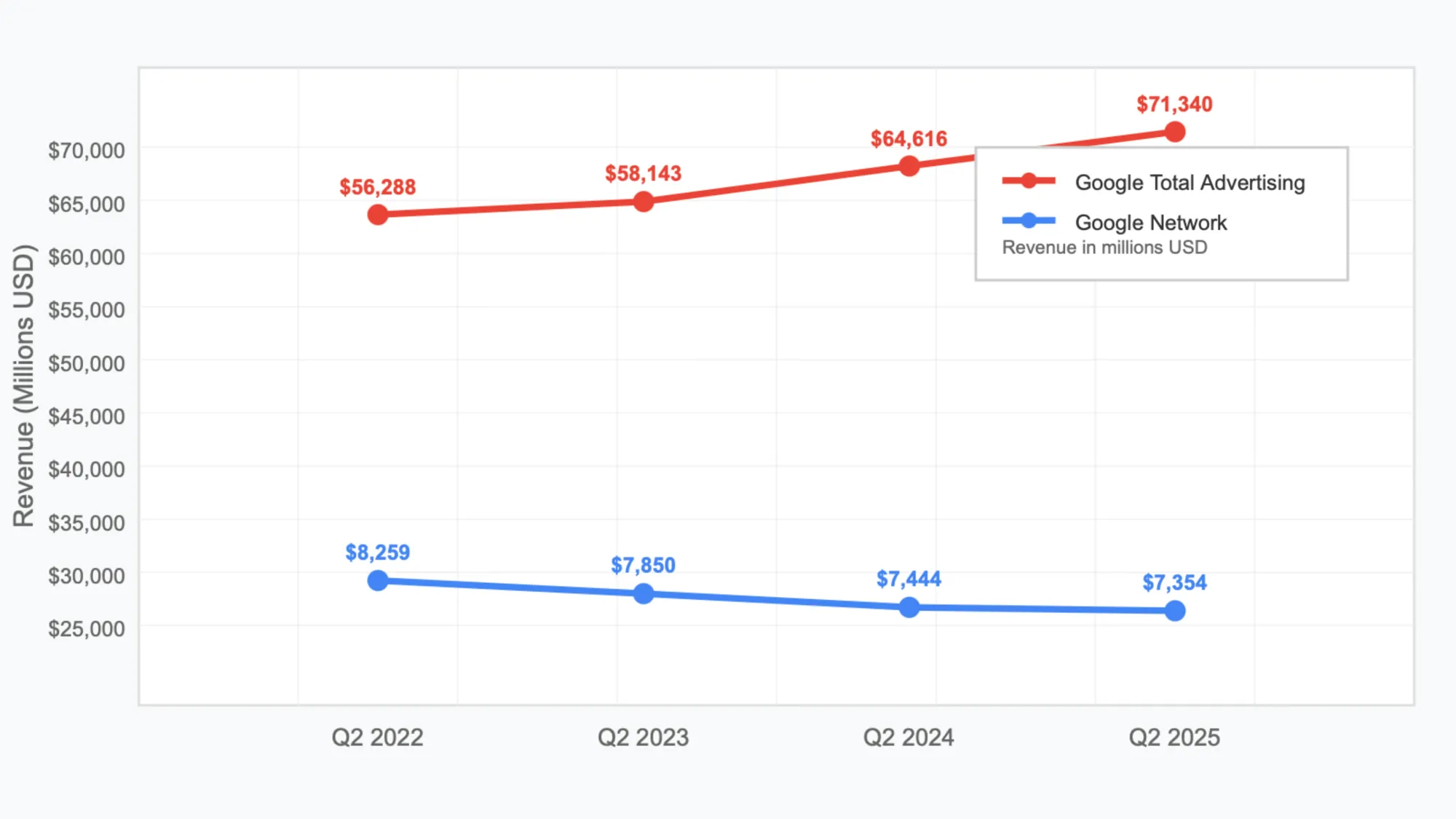
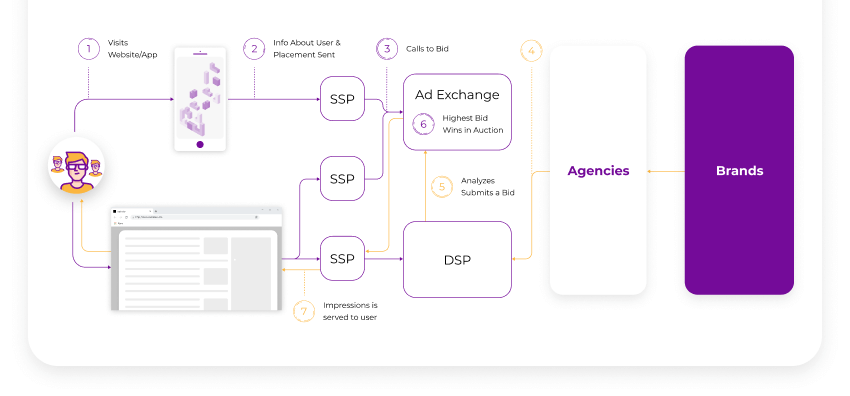
Ad performance data existed, but it wasn’t consistently used to inform placement, pacing, or prioritization decisions in real time. As a result, high-performing inventory was sometimes underutilized, while lower-quality placements were overexposed.
The core problem was building a system that could continuously learn from performance signals and adjust monetization decisions without requiring constant human intervention.
My Role
I owned the product definition and rollout of the ad revenue optimization system.
That included identifying which signals meaningfully influenced revenue outcomes, defining how those signals should affect decision-making, and working with engineering teams to translate this logic into scalable system behavior.
Because this was a startup, I also had to make deliberate tradeoffs between sophistication and reliability — prioritizing changes that could materially impact revenue while remaining understandable and controllable.
Decisions
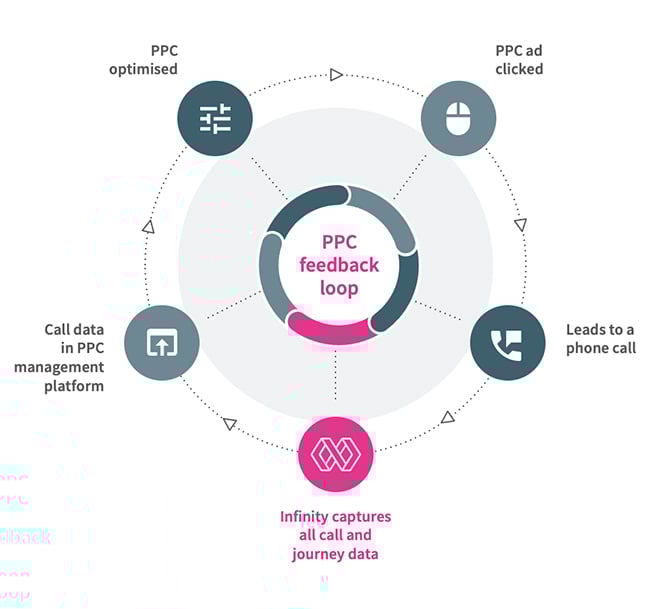
One key decision was to treat revenue optimization as a feedback loop, not a set of fixed rules. Performance signals from campaigns, placements, and user engagement were continuously fed back into prioritization logic.
Another was explicitly separating revenue optimization from content experience decisions. This ensured monetization could improve without overwhelming editorial goals or user trust.
We also avoided over-optimization. The system was designed to maximize sustainable revenue, not short-term yield spikes that could harm engagement or advertiser satisfaction.
Risks
Revenue systems are sensitive.
Aggressive optimization can increase short-term earnings but reduce long-term value. Poorly calibrated changes can introduce volatility, making revenue unpredictable and difficult to explain to advertisers.
Managing these risks required careful tuning, monitoring, and the ability to roll back changes quickly when unintended effects appeared.
Go-To-Market
The system was introduced as a platform capability, not a visible feature.
Advertisers benefited indirectly through improved performance and more consistent delivery, while internal teams gained confidence that monetization decisions were being made systematically rather than manually.
Revenue optimization became part of the platform’s operating model, enabling growth without proportional increases in operational complexity.
Outcomes
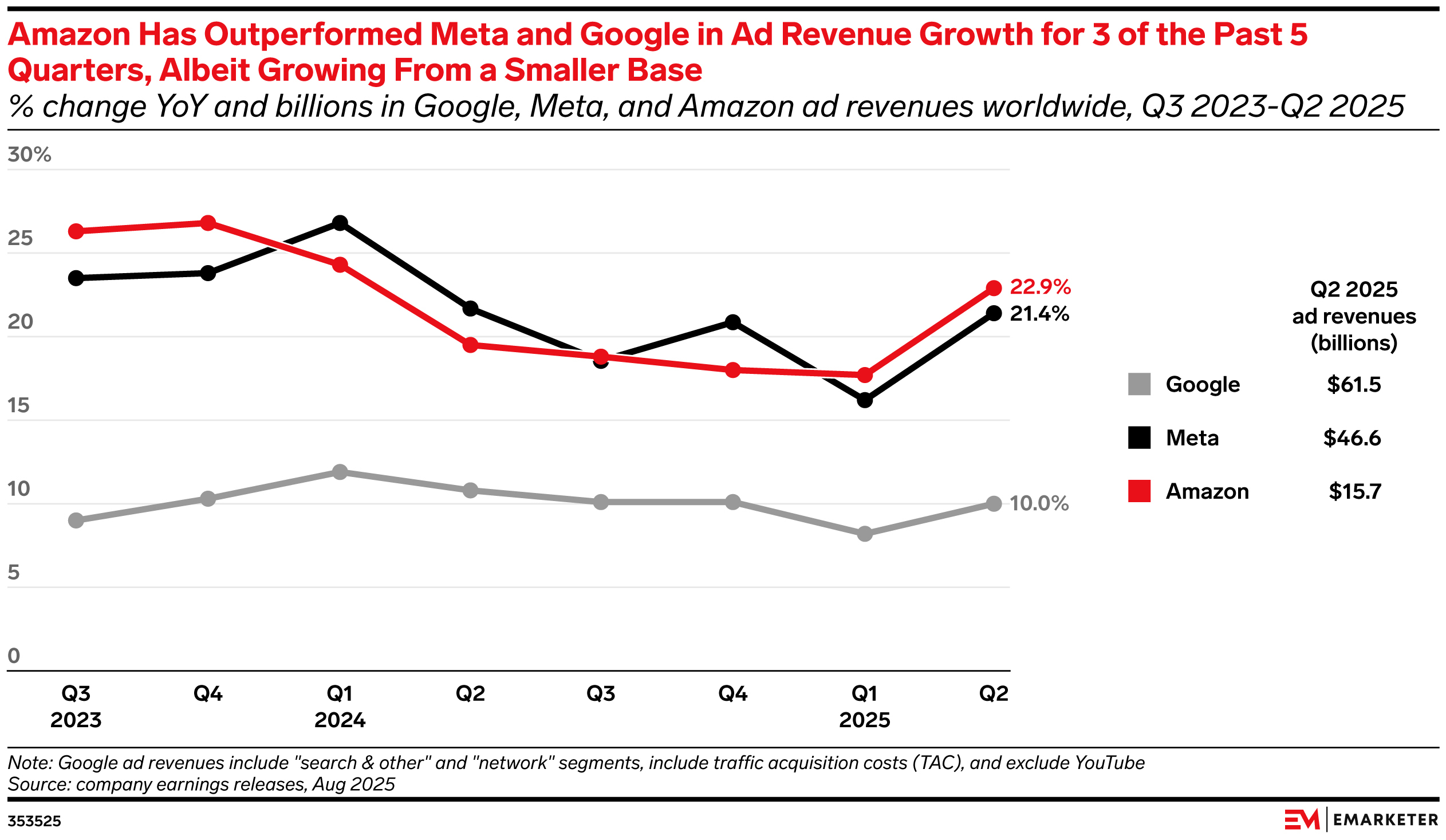
Revenue efficiency improved as higher-performing placements and campaigns were prioritized more consistently. The platform was able to increase monetization while maintaining engagement quality and advertiser trust.
Just as importantly, revenue decisions became easier to reason about, reducing manual intervention and enabling more predictable scaling.