
Users
Advertisers, Sales & Account Teams, Internal Growth & Content Teams
Industry
AdTech / Digital Media
Product Stage
Early-Stage Startup (Product–Market Fit & Early Revenue Scaling)
Advertiser Analytics
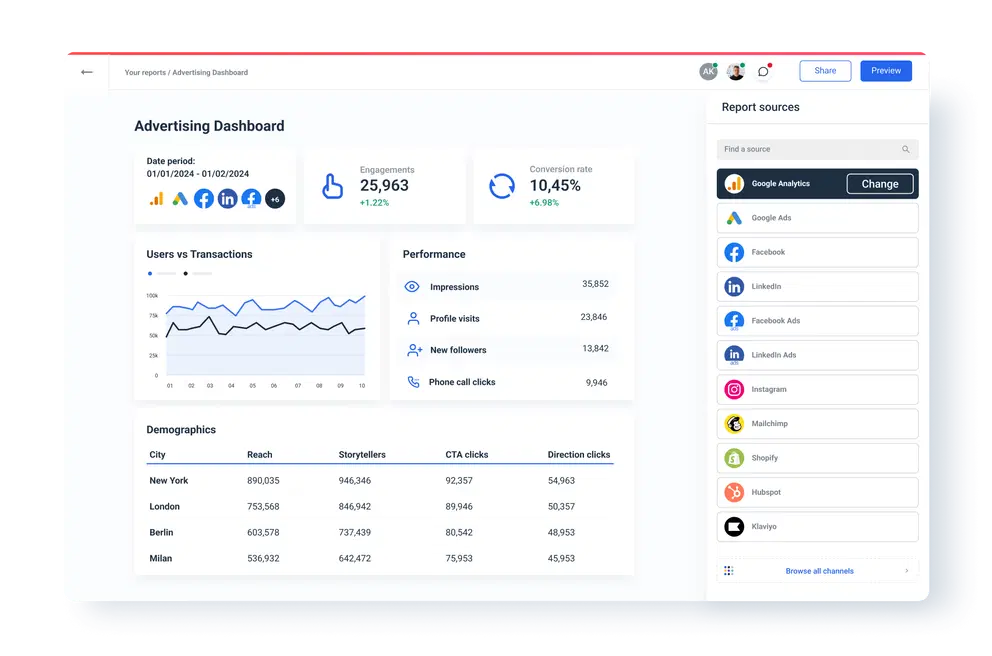
At an early stage media startup, analytics wasn’t about offering another dashboard. Advertisers already had plenty of those. The real problem was that none of the existing tools reflected how campaigns actually behaved on the platform or helped advertisers understand why performance was changing.
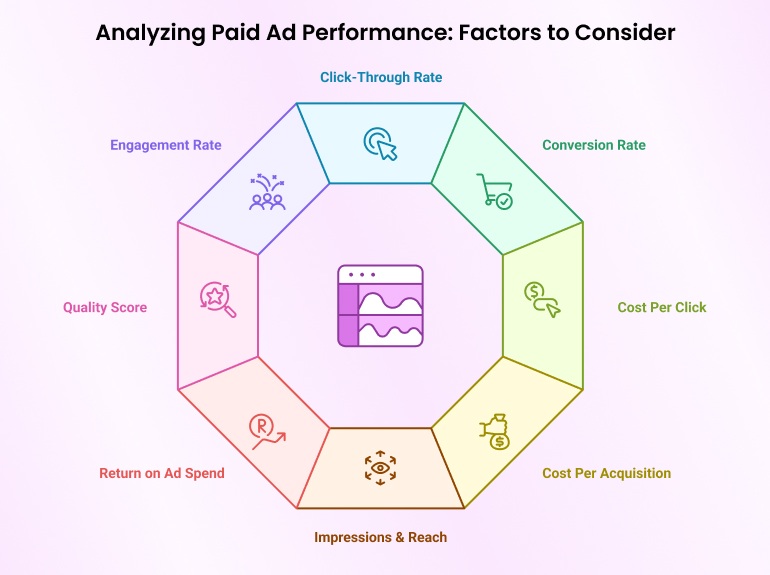
Off-the-shelf analytics focused on generic metrics like impressions and clicks. What advertisers needed instead was visibility into relevance, content alignment, and engagement quality, especially in an environment where ad inventory and targeting signals were still evolving.
The goal wasn’t reporting. It was helping advertisers decide what to change next.
Context and Scope
The platform was operating in a startup environment with limited historical data, evolving ad formats, and rapidly changing delivery logic. Advertisers were experimenting, budgets were scrutinized closely, and trust had to be earned quickly.
Campaign data existed across multiple internal systems, but it wasn’t designed for advertiser-facing decision-making. Metrics that made sense internally didn’t translate cleanly into insights advertisers could act on.
This created a gap between what the platform knew and what advertisers could understand.
The Problem
Advertisers couldn’t connect performance outcomes to specific decisions.
They could see spend and delivery, but not whether content relevance, audience alignment, or placement quality was driving results. When performance dipped, there was no clear signal explaining whether the issue was creative, targeting, inventory, or timing.
As a startup, this was risky. Without differentiated insight, the platform looked interchangeable with larger incumbents and price became the only lever.
My Role
I owned the analytics product end to end, with a clear mandate: build insight that competitors couldn’t easily replicate.
That meant defining metrics that reflected how ads interacted with content and users on our platform, not just standard ad delivery stats. I worked closely with engineering and data teams to shape signals around engagement depth, relevance scoring, and placement effectiveness, metrics that didn’t exist in off-the-shelf tools.
Because this was a startup, I also had to balance ambition with feasibility, prioritizing insights that could be delivered reliably with limited data maturity while still creating real differentiation for advertisers.
Decisions
One key decision was to focus analytics on diagnosis, not just performance tracking. The dashboard was designed to answer questions like why engagement changed, not just what changed.
Another was resisting the urge to overbuild. Instead of flooding advertisers with every possible metric, the product emphasized a small set of high signal indicators tied directly to optimization actions advertisers could take.
We also deliberately aligned the dashboard with how sales and account teams talked about performance, ensuring analytics reinforced the platform’s value narrative rather than existing as a standalone reporting tool.
Risks
In a startup, analytics credibility is fragile.
If metrics felt noisy, inconsistent, or overly abstract, advertisers would default back to external tools and question the platform’s value. There was also a risk of surfacing signals that looked insightful but weren’t statistically reliable at lower volumes.
Managing these risks meant being disciplined about metric definitions, transparent about limitations, and sequencing releases carefully as data confidence improved.
Go-To-Market
The dashboard was positioned as a competitive differentiator, not a feature checkbox.
Instead of marketing it as “analytics,” it was introduced as a way for advertisers to understand why campaigns worked on this platform compared to others. Sales conversations used the dashboard to explain relevance and engagement advantages, making analytics part of the product story rather than an afterthought.
Adoption was driven through live advertiser conversations, where insights from the dashboard were used directly to recommend optimizations, reinforcing its value through real outcomes.
Outcomes
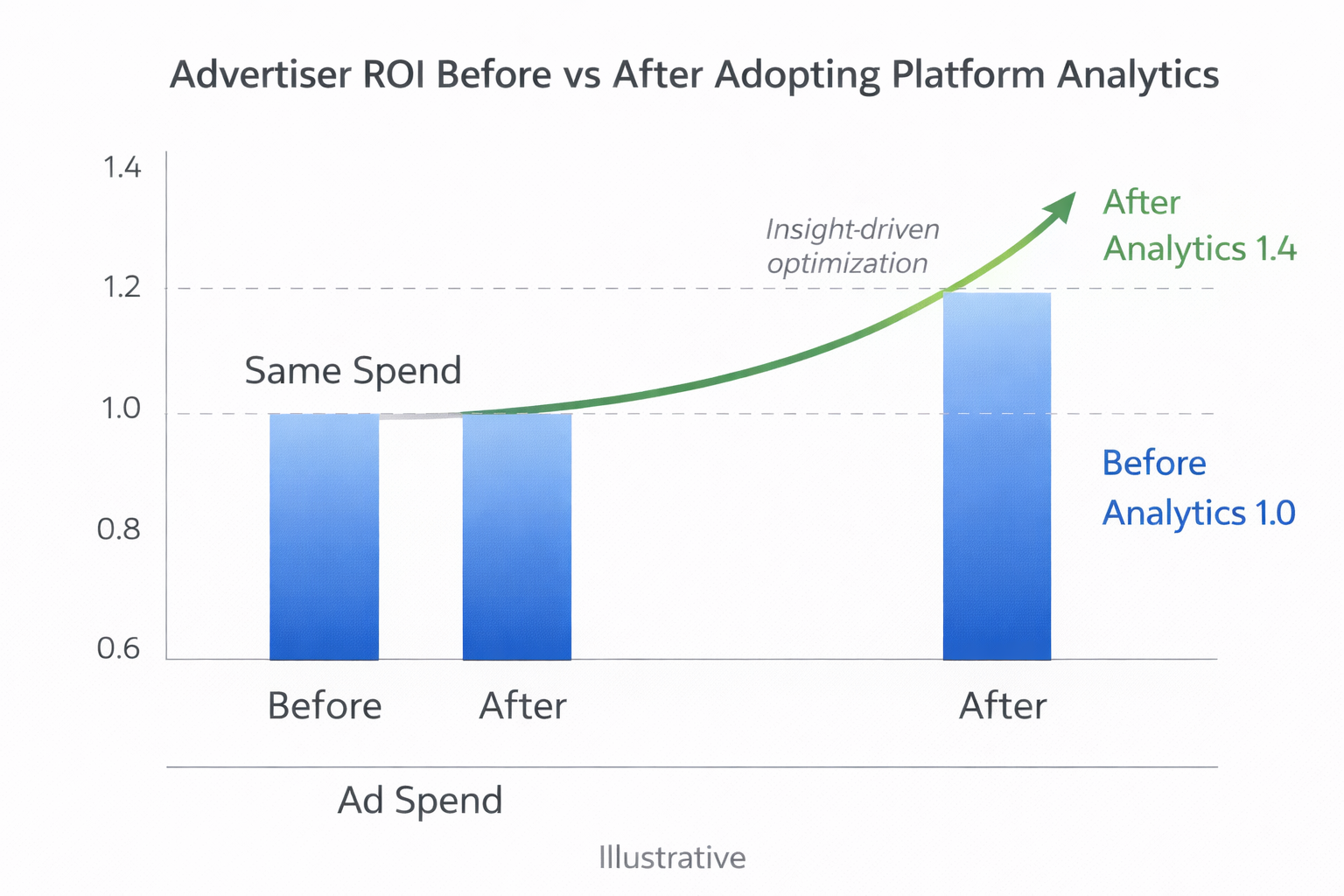
Advertisers gained clearer visibility into what drove engagement and performance on the platform, enabling more confident optimization decisions. Internal teams reduced time spent explaining results and increased time spent improving campaign outcomes.
Most importantly, analytics helped the platform stand out in a crowded market by offering insight competitors couldn’t easily copy.