
Users
Cardholders, Consumers Merchants, Risk & Operations Teams
Industry
Financial Services / Payments
Product Stage
Scaled, Embedded Finance Platform
BNPL Enablement & Volume Scaling
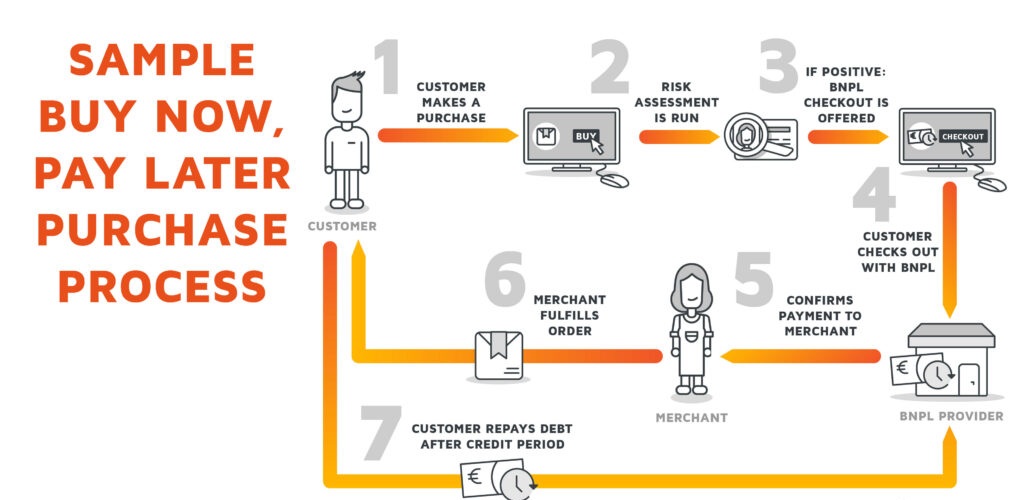
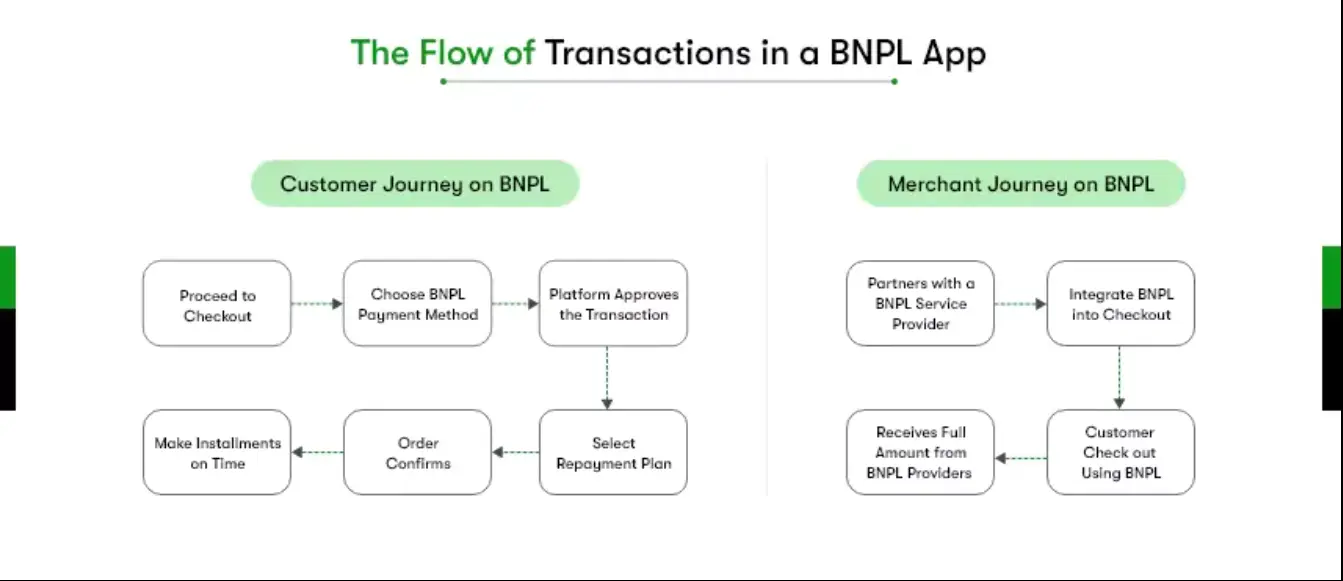
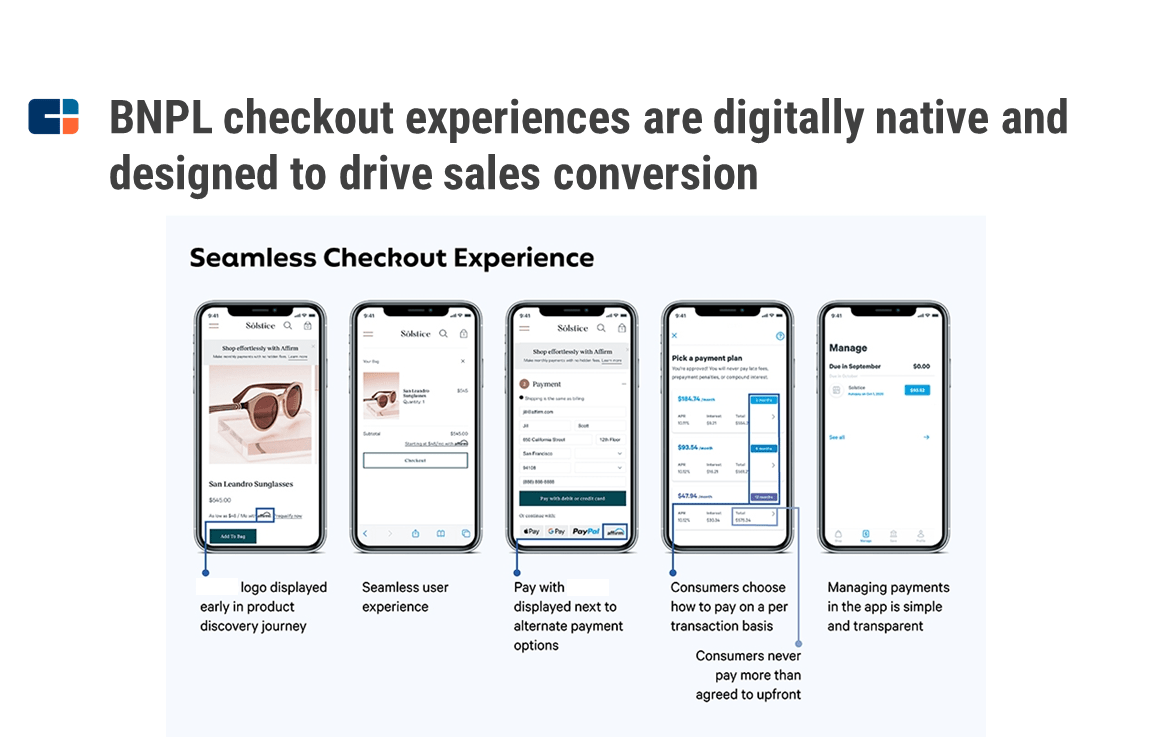
BNPL enablement introduced a different kind of pressure into the payments stack. Unlike traditional card transactions, BNPL flows added credit decisioning, installment logic, and new failure modes directly into the checkout experience.
From a platform perspective, this wasn’t just “another payment option.” It introduced new approval paths, new risk considerations, and a very visible customer outcome when things went wrong declined eligibility, broken checkout flows, or inconsistent behavior across merchants.
Context and Scale
BNPL sat directly in high volume consumer payment journeys:
-
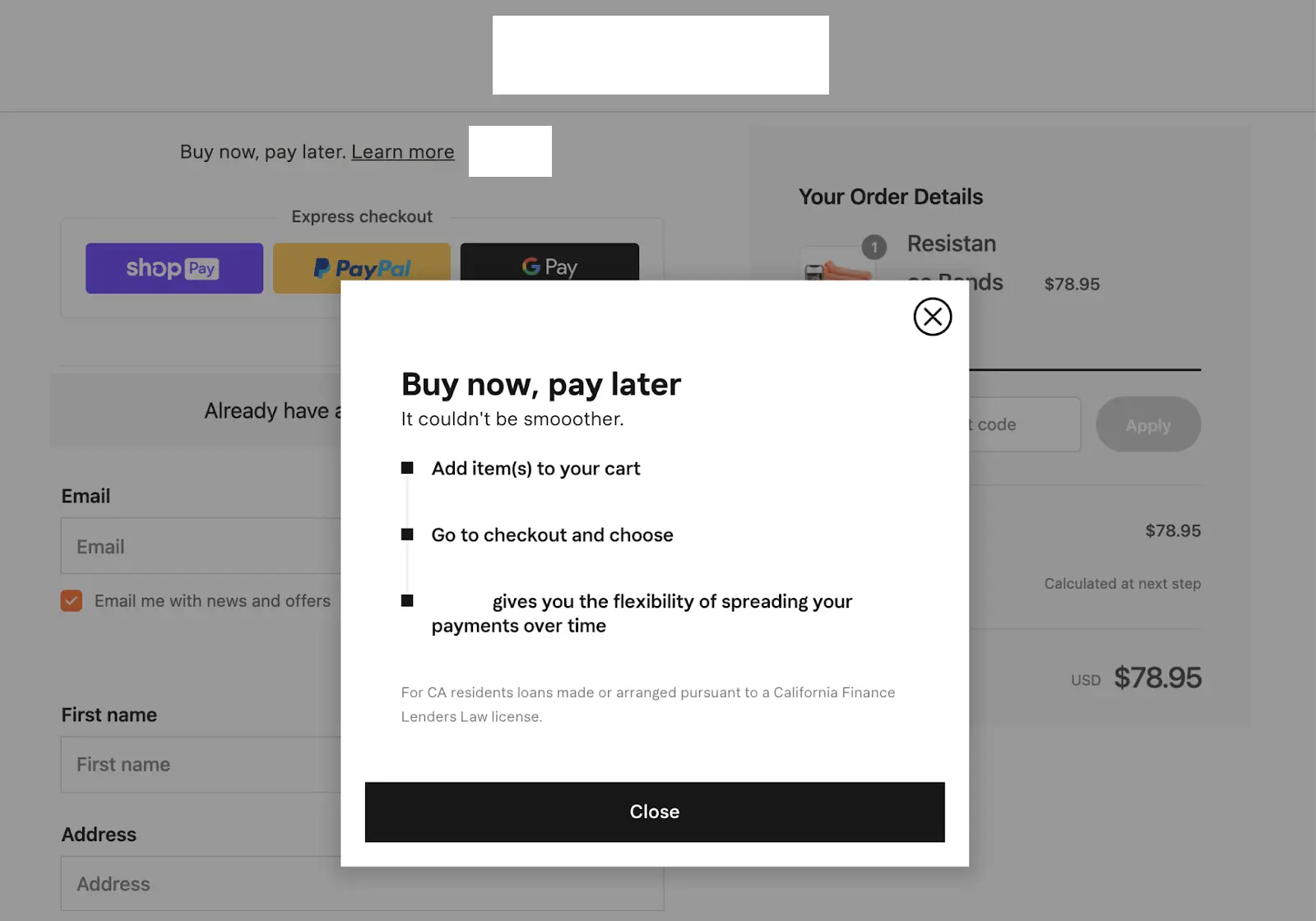
Embedded in online and in-store checkout flows
-
Tightly coupled to conversion and purchase completion
-
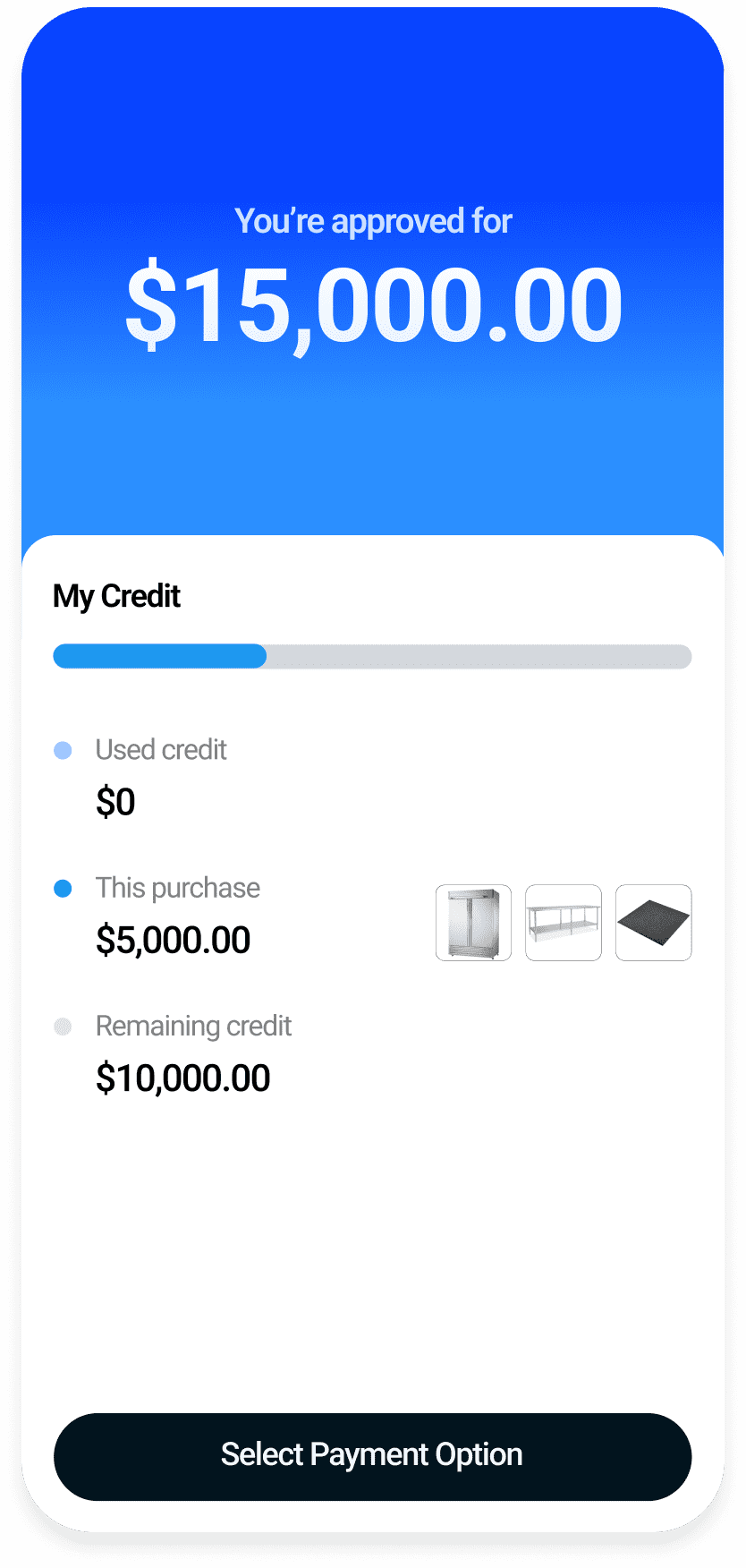
Dependent on real-time eligibility and approval decisions
Even small changes in BNPL behavior had outsized impact, affecting transaction volumes, merchant adoption, and customer trust almost immediately.
The Problem
As BNPL adoption accelerated, the existing payments platform needed to support:
-
Real-time installment eligibility checks
-
Additional approval and decline scenarios
-
Rapid volume growth without destabilizing core payment flows
At the same time, BNPL introduced higher risk exposure than standard card payments. Eligibility decisions had to be fast, consistent, and defensible, while still aligning with regulatory expectations and internal risk appetite.
The challenge was enabling BNPL at scale without turning checkout into a fragile, hard-to-debug system or compromising platform reliability.
My Role
I was responsible for how BNPL capabilities were introduced and scaled within the payments platform.
That included:
-
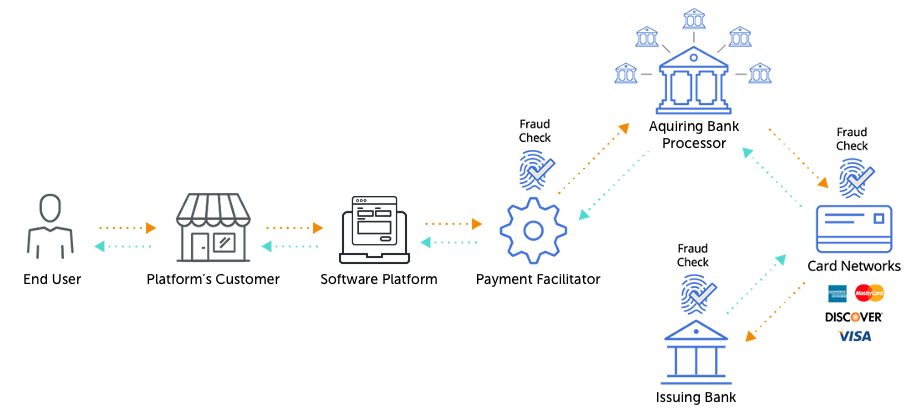
Defining how BNPL flows integrated with existing authorization and risk paths
-
Sequencing changes to support volume growth safely
-
Balancing commercial pressure to expand BNPL adoption with platform and risk constraints
Much of the work involved making tradeoffs explicitly deciding where BNPL should behave like a standard payment flow and where it required distinct handling.
Decisions
One key decision was to reuse as much of the existing payments infrastructure as possible. BNPL flows were integrated into shared authorization and routing paths rather than treated as a separate system, which reduced long-term complexity and operational risk.
Another was how eligibility failures were handled. Clear, deterministic outcomes were prioritized over ambiguous states to prevent broken checkouts and reduce merchant support issues.
There were also tradeoffs around speed versus guardrails. Rather than optimizing purely for rapid volume growth, safeguards were introduced to ensure BNPL expansion did not degrade system performance or introduce disproportionate risk exposure.
Risks
BNPL introduced several failure modes:
-
Checkout disruptions caused by slow or inconsistent eligibility decisions
-
Increased operational burden from unclear decline reasons
-
Elevated credit and compliance risk under rapid volume growth
Managing these risks required disciplined sequencing and close alignment between payments, risk, and business teams.
Outcomes
BNPL support was introduced and scaled without destabilizing core payment flows. Transaction volumes increased while checkout reliability was maintained. Merchants experienced predictable BNPL behavior, and the platform remained operable as adoption grew.
Importantly, BNPL was integrated as a sustainable platform capability rather than a one off commercial feature.