
Users
Manufacturers, Retail & Channel Partners, Finance & Operations Teams
Industry
AdTech/Marketing Operations, Channel Incentives
Product Stage
Scaled, Enterprise Financial Workflow Platform
Co-Op Advertising Platform
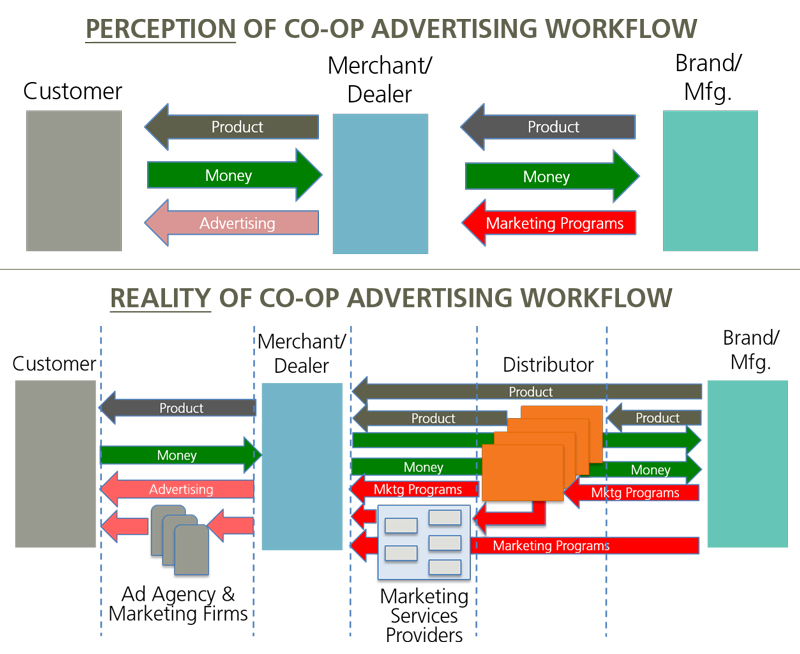
The co-op advertising platform sat between brands, retailers, and internal finance teams, managing how advertising funds were planned, claimed, validated, and reimbursed across distributed partner networks.
Unlike consumer-facing ad platforms, this product operated quietly in the background. Its value wasn’t in creative delivery or targeting, but in enforcing rules, preventing misuse of funds, and making complex reimbursement programs operable at scale.
Context and Scale
The platform supported advertising programs where funds flowed from manufacturers to downstream partners, often across thousands of claims, multiple program rules, and strict eligibility requirements.
These programs directly affected partner trust and financial outcomes. Errors weren’t just technical, they showed up as delayed reimbursements, disputes, and strained commercial relationships. As programs grew in size and complexity, manual workflows and spreadsheet-based processes became increasingly fragile.
The Problem
Co-op advertising programs were difficult to scale safely.
Rules varied by program, partners interpreted eligibility differently, and validation often relied on manual review. As volume increased, so did disputes, reconciliation issues, and operational overhead. Finance teams lacked confidence in claim accuracy, while partners experienced delays and inconsistency.
The core problem was creating a system that could enforce program rules consistently, scale with volume, and remain flexible enough to support different advertising structures without turning every program into a custom implementation.
My Role
I was responsible for shaping the core co-op advertising platform as a product rather than a collection of workflows.
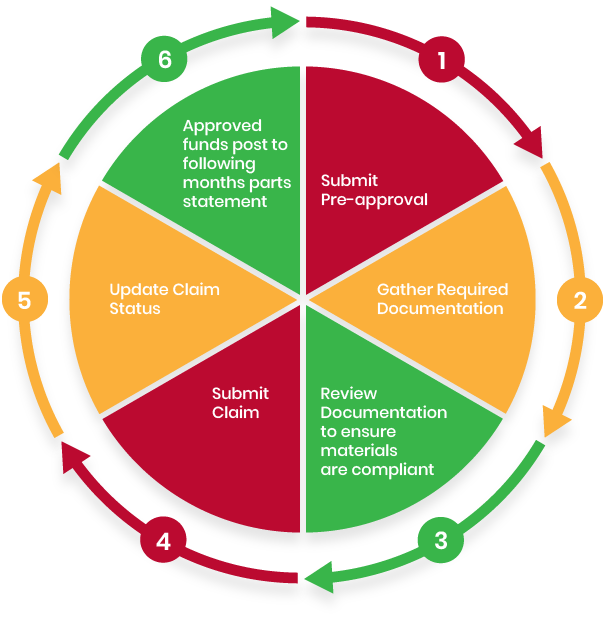
That meant defining how programs were configured, how claims were submitted and validated, and how funds moved through approval and reimbursement. I worked closely with engineering, finance, and operations teams to translate business rules into product capabilities that were predictable and auditable.
A significant part of the role involved deciding where the platform should be opinionated versus configurable. The goal was to reduce operational ambiguity while still supporting variation across programs without fragmenting the product.
Decisions
One key decision was to standardize core claim and validation flows instead of allowing each program to define its own logic. This reduced long-term complexity and made outcomes more consistent for partners and internal teams.
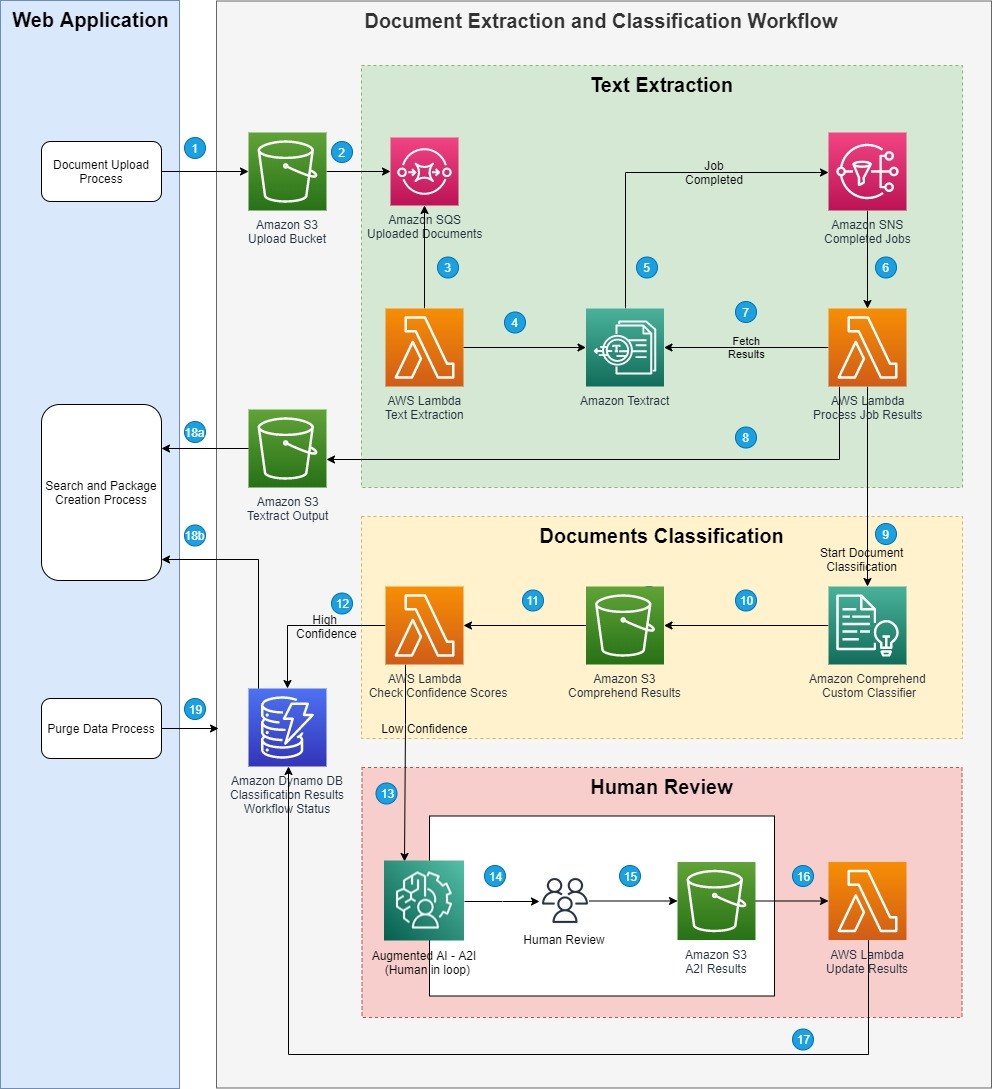
Another was separating program configuration from execution. Rules could be defined upfront, but enforcement was handled consistently at runtime, improving auditability and reducing manual intervention.
There were also tradeoffs around flexibility. Rather than optimizing for every edge case, the platform prioritized patterns that covered the majority of programs cleanly, reserving exceptions for genuinely non-standard scenarios.
Risks
At scale, co-op platforms fail in subtle but costly ways.
Overly rigid rules could block legitimate claims and frustrate partners. Overly flexible systems could invite misuse or errors that finance teams struggled to reconcile. Inconsistent behavior undermined trust in the program itself.
Managing these risks required clarity around rules, transparency in validation outcomes, and careful sequencing of changes as program volume increased.
Go-To-Market
The go-to-market strategy for the co-op advertising platform was driven by controlled adoption, economic alignment, and gradual enforcement, rather than a broad launch.
The initial rollout targeted a small set of high-volume programs where manual processes were already breaking down. This allowed the platform to prove value quickly by reducing claim disputes, shortening reimbursement cycles, and giving finance teams clearer control over funds. Early adoption was not optional; programs onboarded to the platform became the system of record for claim submission and validation.
Adoption was driven through workflow ownership rather than feature persuasion. Claim submission, documentation, and approval were centralized in the platform, making it the default path for reimbursement. Over time, manual and email-based processes were deliberately deprecated, shifting partners toward consistent, auditable behavior without requiring heavy change management.
Monetization was tied to program scale and operational value, not usage alone. As more programs moved onto the platform and claim volumes increased, the product became a critical operational dependency rather than a discretionary tool. This positioned the platform as infrastructure that enabled program growth while protecting against misuse of funds.
As adoption expanded, the GTM strategy evolved from onboarding individual programs to standardizing platform usage across new initiatives, allowing future programs to launch faster without redefining core workflows or commercial terms.
Outcomes
The platform enabled co-op advertising programs to scale with greater consistency and control. Claim validation became more predictable, manual review was reduced, and finance teams gained better confidence in reimbursement accuracy.
Importantly, the product established a stable foundation that later supported more complex or client-specific extensions without compromising the integrity of the core platform.