
Users
Content Consumers, Editors & Content Teams, Growth & Product Teams
Industry
AdTech / Digital Media
Product Stage
Early-Stage Startup (Product–Market Fit & Early Revenue Scaling)
Content Personalization Engine
Personalization at scale is rarely about recommending “more of the same.” The real challenge is understanding why users engage, and using that signal responsibly to influence what they see next without degrading experience, trust, or editorial intent.
This product focused on building a content personalization engine that relied on behavioral signals, not static user attributes or simplistic rules. The goal was to increase relevance and engagement while preserving flexibility in how content was surfaced and evolved.
Context and Scope
The platform delivered a steady stream of content to users with diverse interests and consumption patterns. Users interacted with content passively and actively while scrolling, clicking, reading, skipping, and returning over time.
Traditional personalization approaches struggled in this environment. Demographic targeting was too coarse, and manual curation didn’t scale. What was needed was a way to learn from real behavior signals in near real time, without requiring deep user profiles or invasive data collection.
This made behavioral personalization both a product opportunity and a responsibility.
The Problem That Needed Solving
Content relevance decayed quickly.
Users were being shown content that technically matched categories but didn’t reflect intent, context, or recent behavior. Engagement dropped as users felt less understood, and editors had limited visibility into how content performance varied across different audiences.
The core problem was translating raw interaction data into meaningful, product-ready signals that could drive personalization without becoming brittle or opaque.
My Role
I owned the product definition and evolution of the personalization engine, with a focus on signal quality and decision logic, not just output ranking.
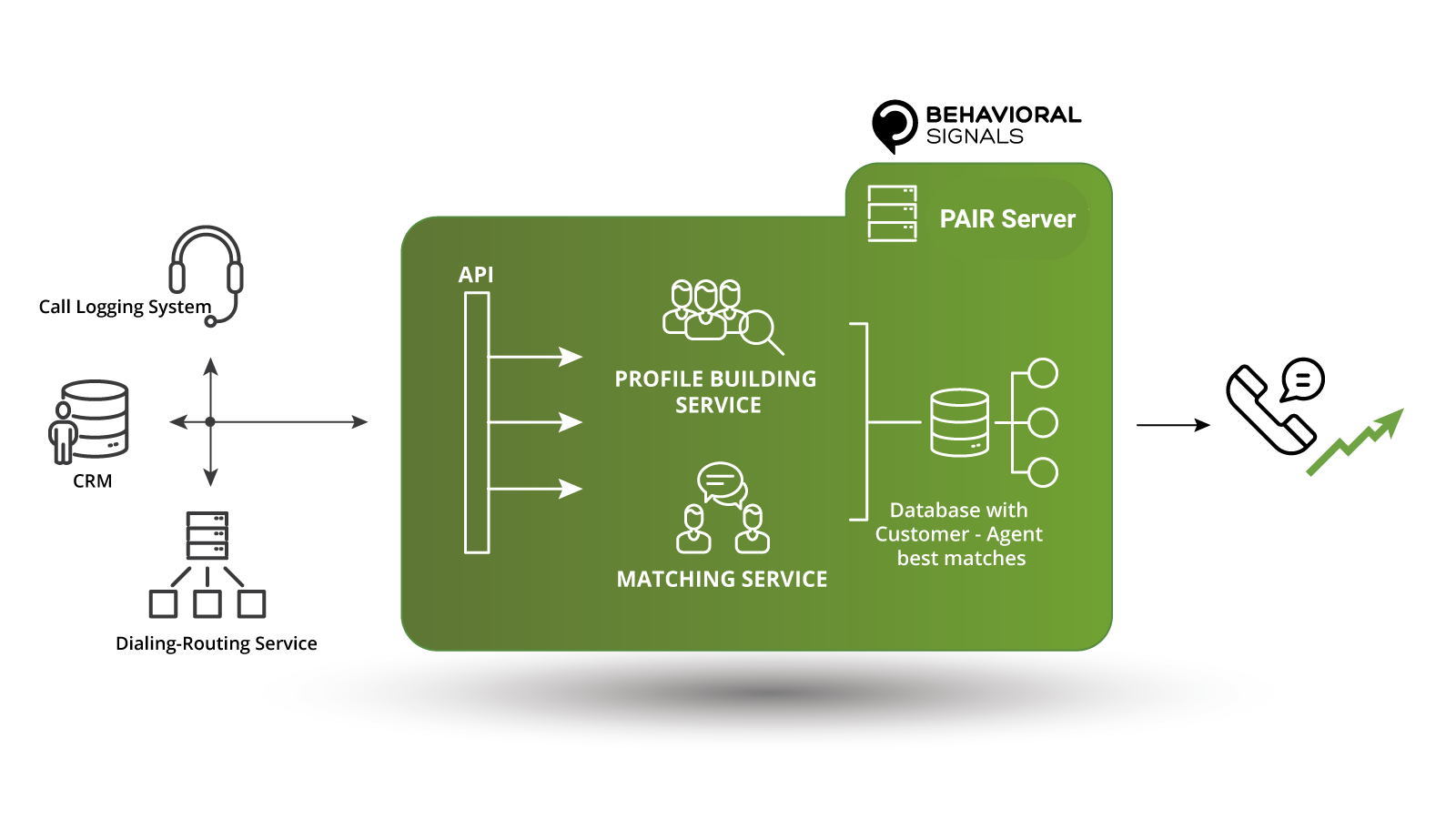
That meant identifying which behaviors actually indicated intent, how those signals should be weighted, and how quickly the system should adapt to changes in user behavior. I worked closely with engineering and data teams to define signal pipelines that were explainable and stable, rather than purely algorithmic black boxes.
A key part of my role was ensuring personalization remained aligned with product goals of increasing engagement without creating echo chambers or sacrificing content diversity.
Decisions
One important decision was prioritizing behavioral recency and context over long-term profiles. The system was designed to respond to what users were doing now, not just what they had done historically.
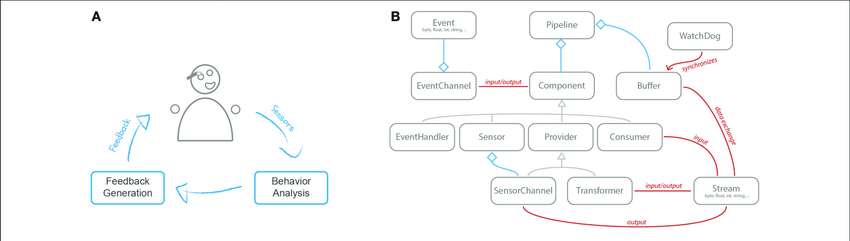
Another was separating signal generation from ranking logic. This allowed experimentation with different personalization strategies without rebuilding the entire pipeline, and made the system easier to reason about and tune as the platform evolved.
We also made deliberate choices around transparency, ensuring that personalization outcomes could be inspected and adjusted rather than treated as opaque recommendations.
Risks
Personalization carries inherent risk.
Overfitting signals can narrow content exposure. Poorly weighted behaviors can amplify noise. Aggressive optimization can increase short-term engagement while harming long-term retention.
Managing these risks required careful calibration, ongoing evaluation, and a willingness to slow down adaptation when signal confidence was low.
Go-To-Market
The personalization engine was introduced as an experience improvement, not an algorithmic feature.
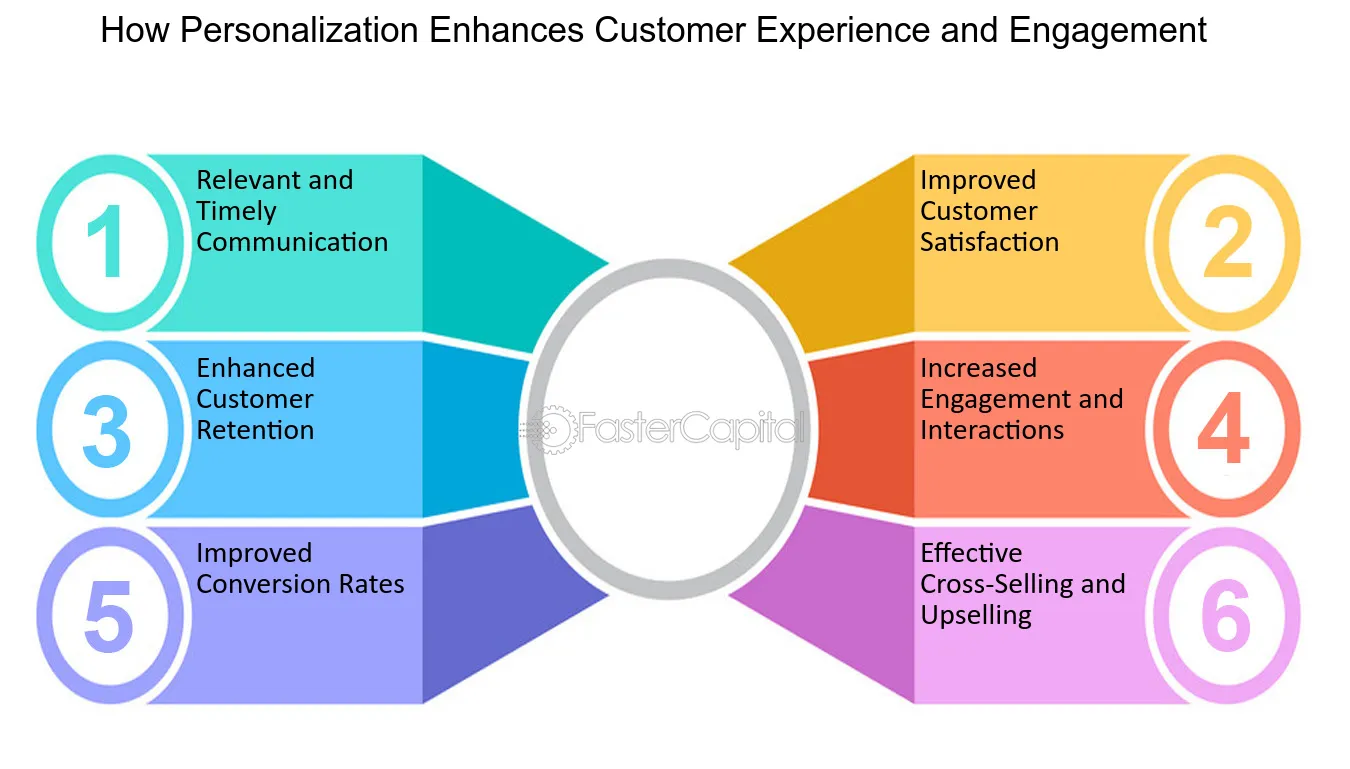
Rather than highlighting technical sophistication, the value was framed around more relevant content discovery and improved engagement quality. Internally, it enabled faster iteration on content strategy and reduced reliance on manual curation.
Because personalization was embedded into the core experience, adoption happened organically as users interacted with the platform without requiring explicit configuration or onboarding.
Outcomes
Content engagement improved as users were shown material better aligned with their interests and behavior. Editors gained clearer insight into how content performed across different behavioral segments, informing both creation and distribution strategies.
Most importantly, personalization became a scalable capability rather than a collection of rules, supporting continued growth without proportional increases in operational effort.