
Users
Enterprise Customers, Security & Compliance Teams, Internal Product & Operations Teams
Industry
Cybersecurity / Enterprise SaaS
Product Stage
Mature, Regulation-Driven Platform
GDPR Compliance Product Strategy
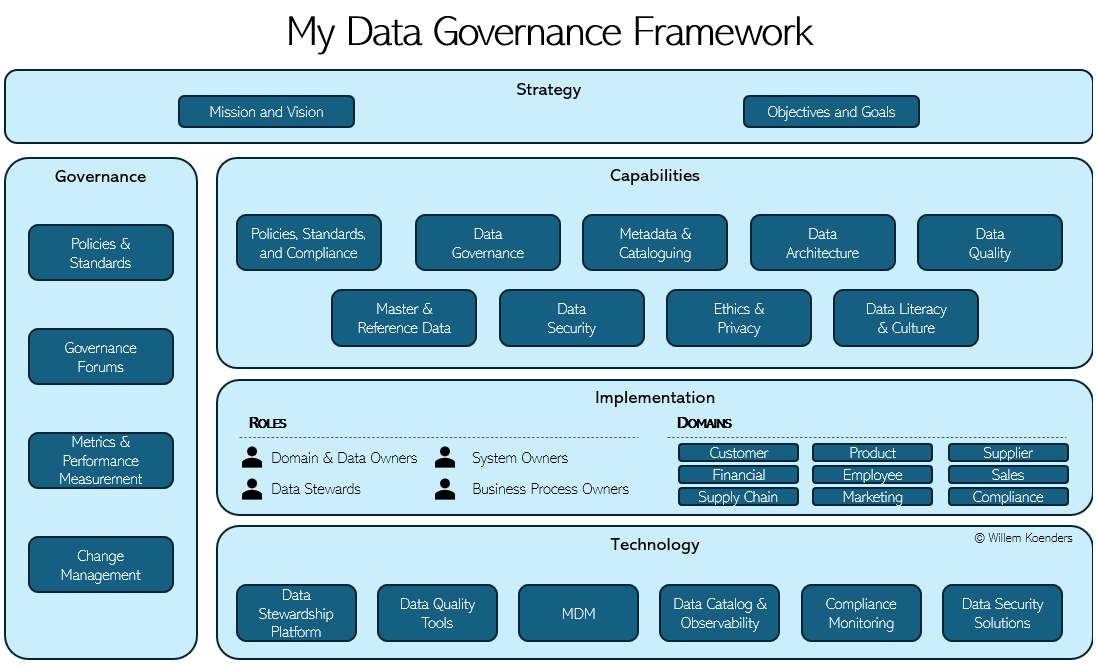
GDPR compliance forced the organization to confront a structural problem rather than a feature gap. Personal data existed across legacy platforms, newer products, and customer-facing workflows that had never been designed with unified consent, data lifecycle management, or deletion guarantees in mind.
Treating GDPR as a one-time compliance project would have created short-lived fixes and long-term fragility. The real challenge was designing a product strategy that made compliance sustainable as products evolved, customers scaled, and regulations continued to change.
Context and Scope
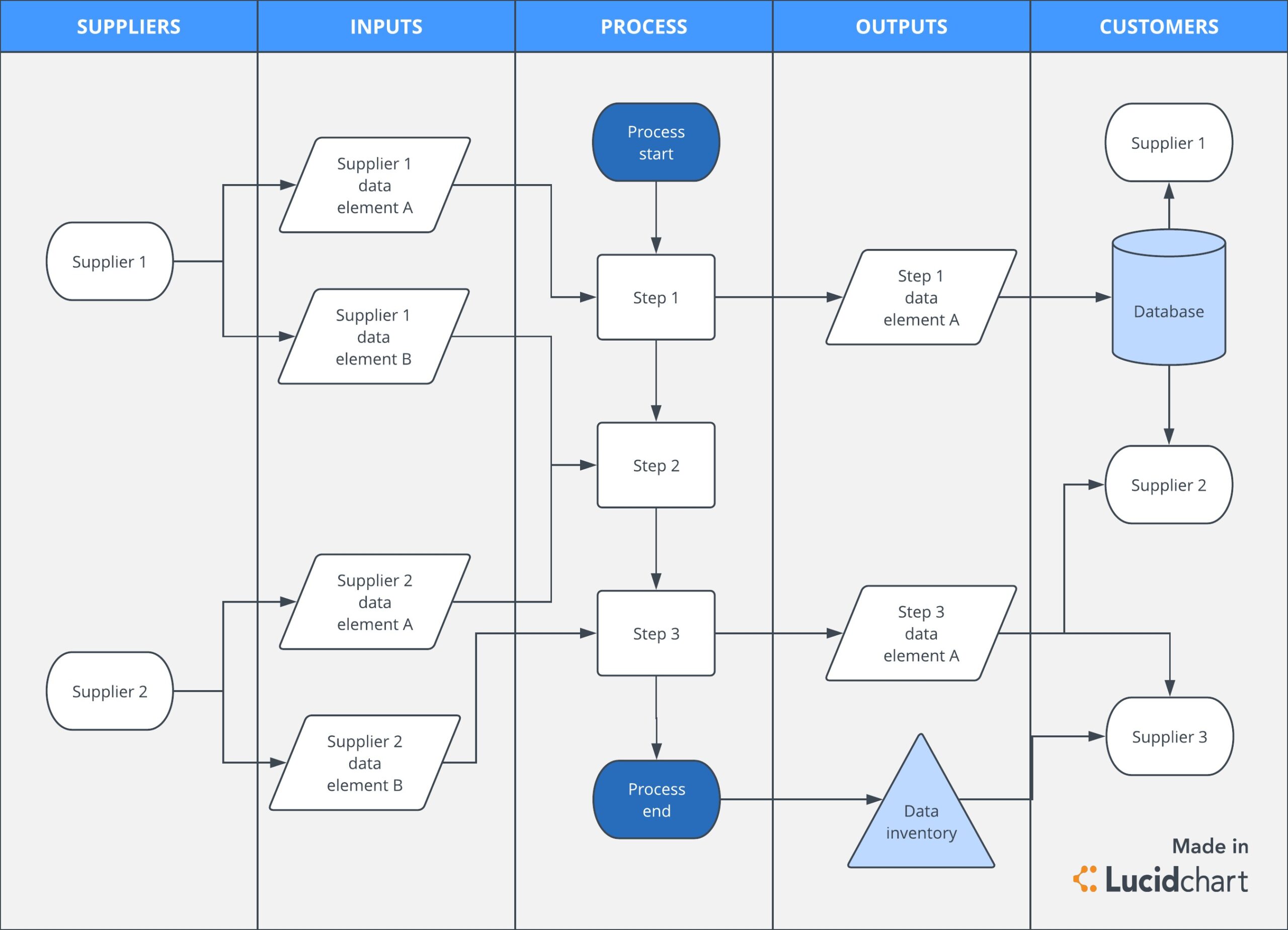
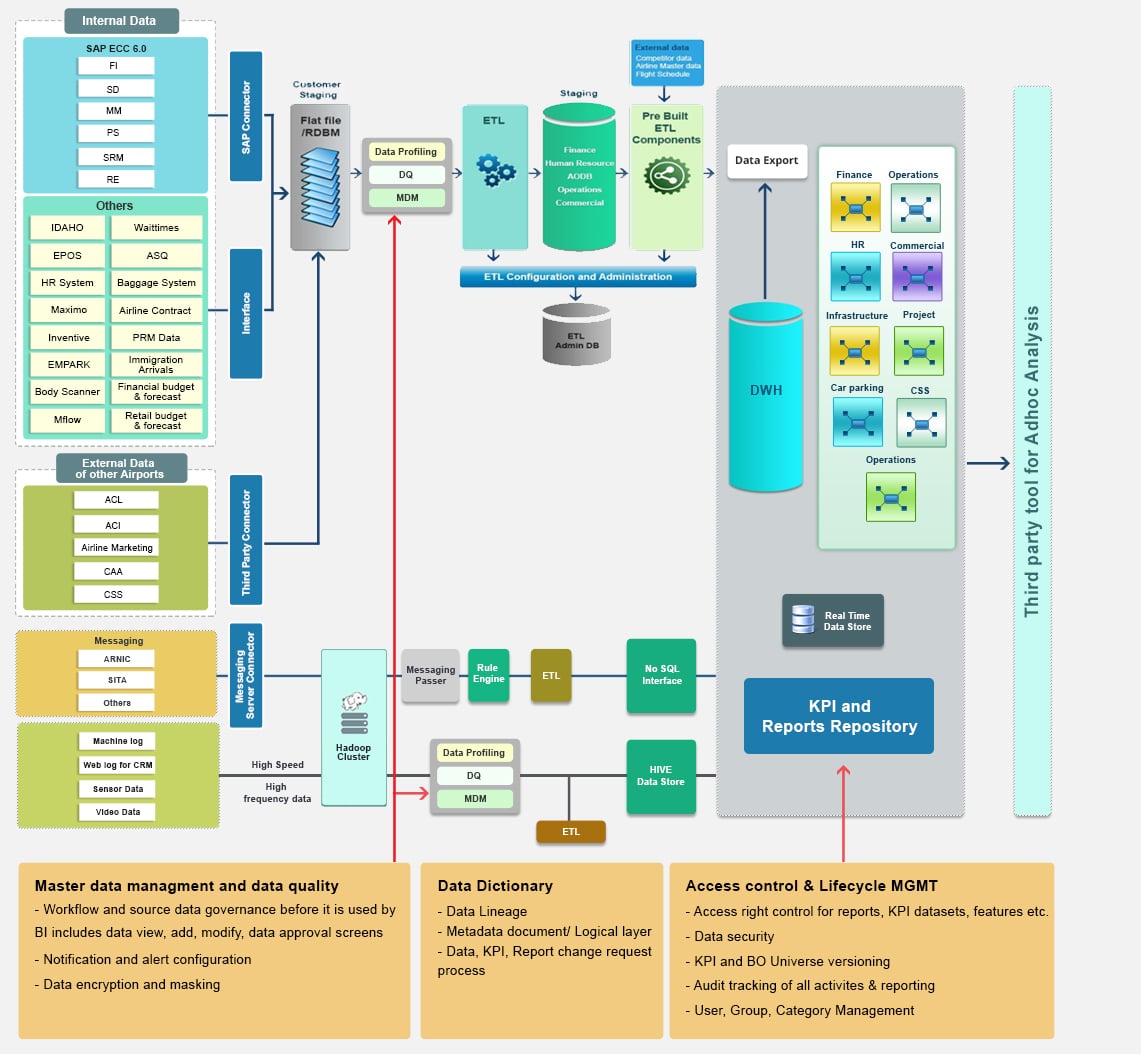
The product landscape included multiple platforms handling customer identity, certificates, billing information, and operational metadata. Personal data flowed across systems owned by different teams, each optimized for local requirements rather than global regulatory consistency.
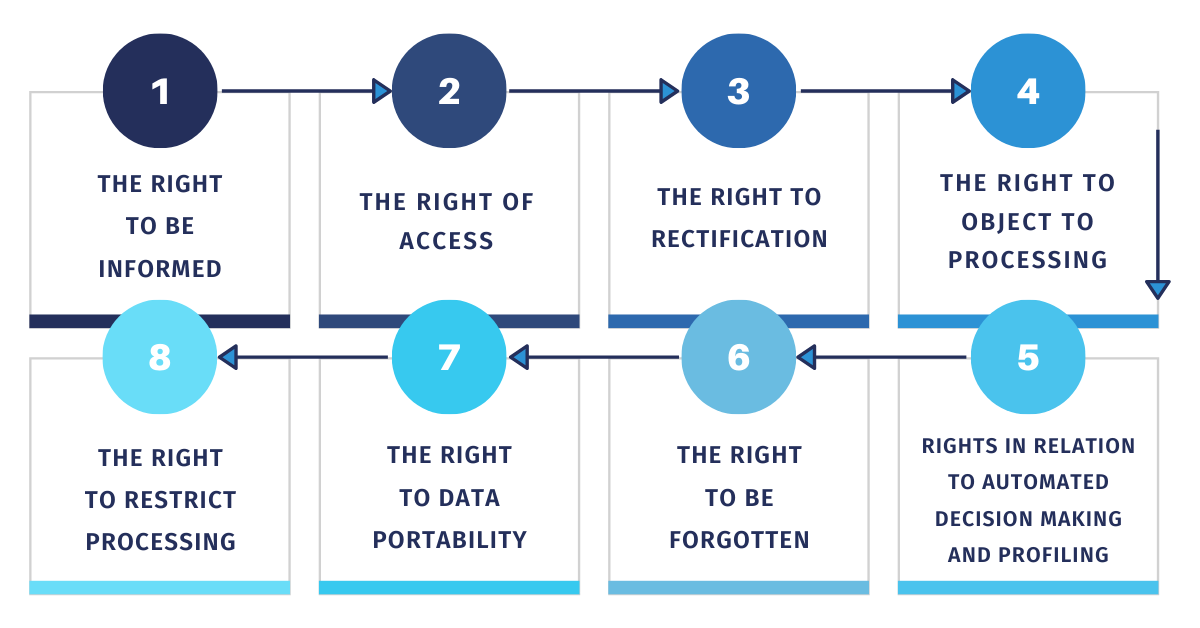
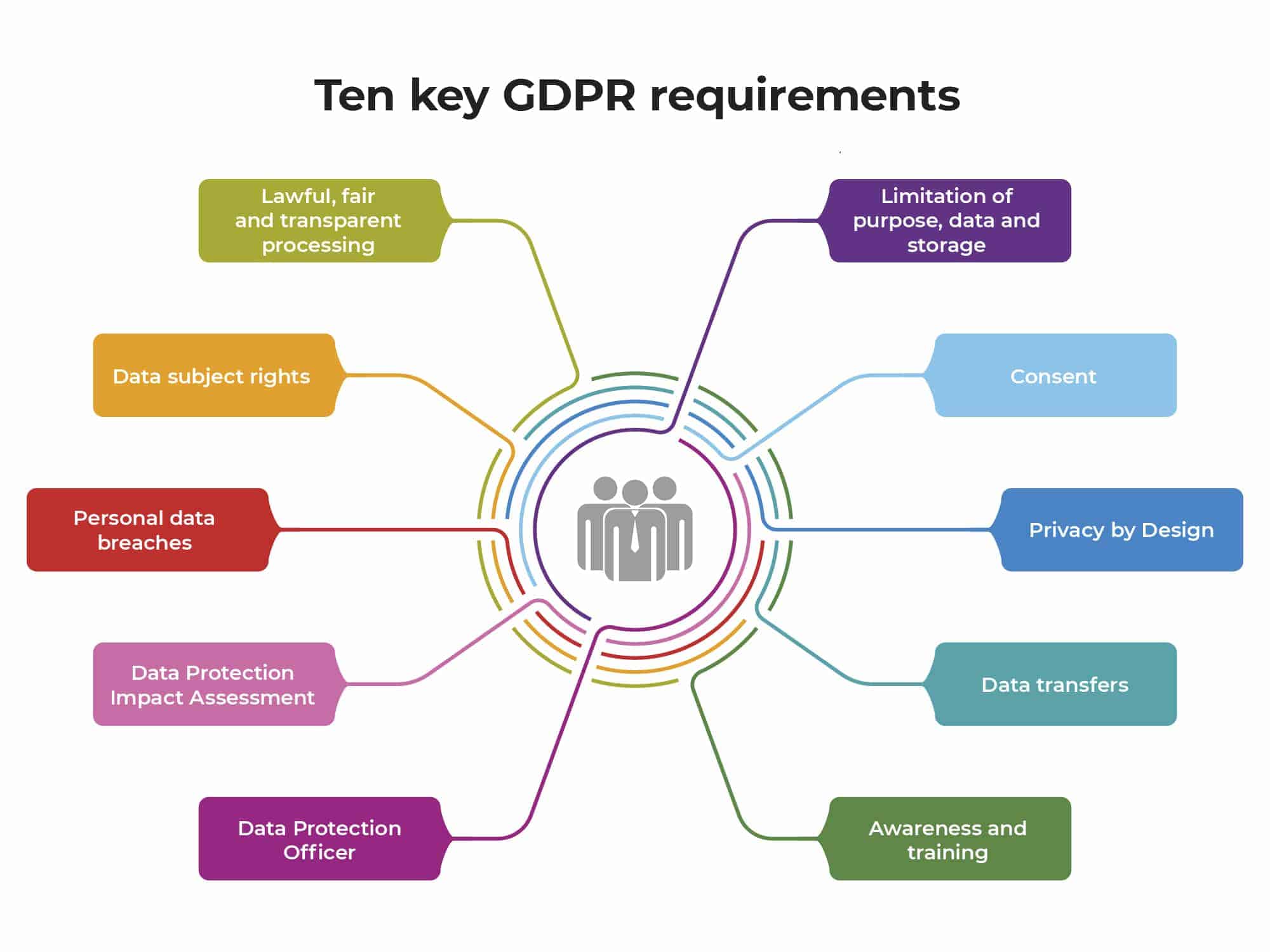
GDPR requirements cut across all of these surfaces. Data access, correction, portability, and deletion needed to be reliable, auditable, and defensible not just technically possible.
Failures here carried real consequences: regulatory exposure, customer trust erosion, and blocked enterprise deals.
The Problem
Compliance gaps were not caused by missing functionality alone. They stemmed from unclear ownership of personal data, inconsistent data models, and workflows that assumed data permanence rather than lifecycle management.
Manual processes for responding to data subject requests were slow and error-prone. Data deletion often conflicted with operational or legal retention requirements. Teams lacked a shared understanding of where personal data lived and how it was used.
The core problem was aligning product architecture, operational reality, and regulatory obligations without destabilizing live systems or slowing product delivery to a halt.
My Role
I was responsible for defining a product-led GDPR strategy rather than a patchwork of remediation tasks.
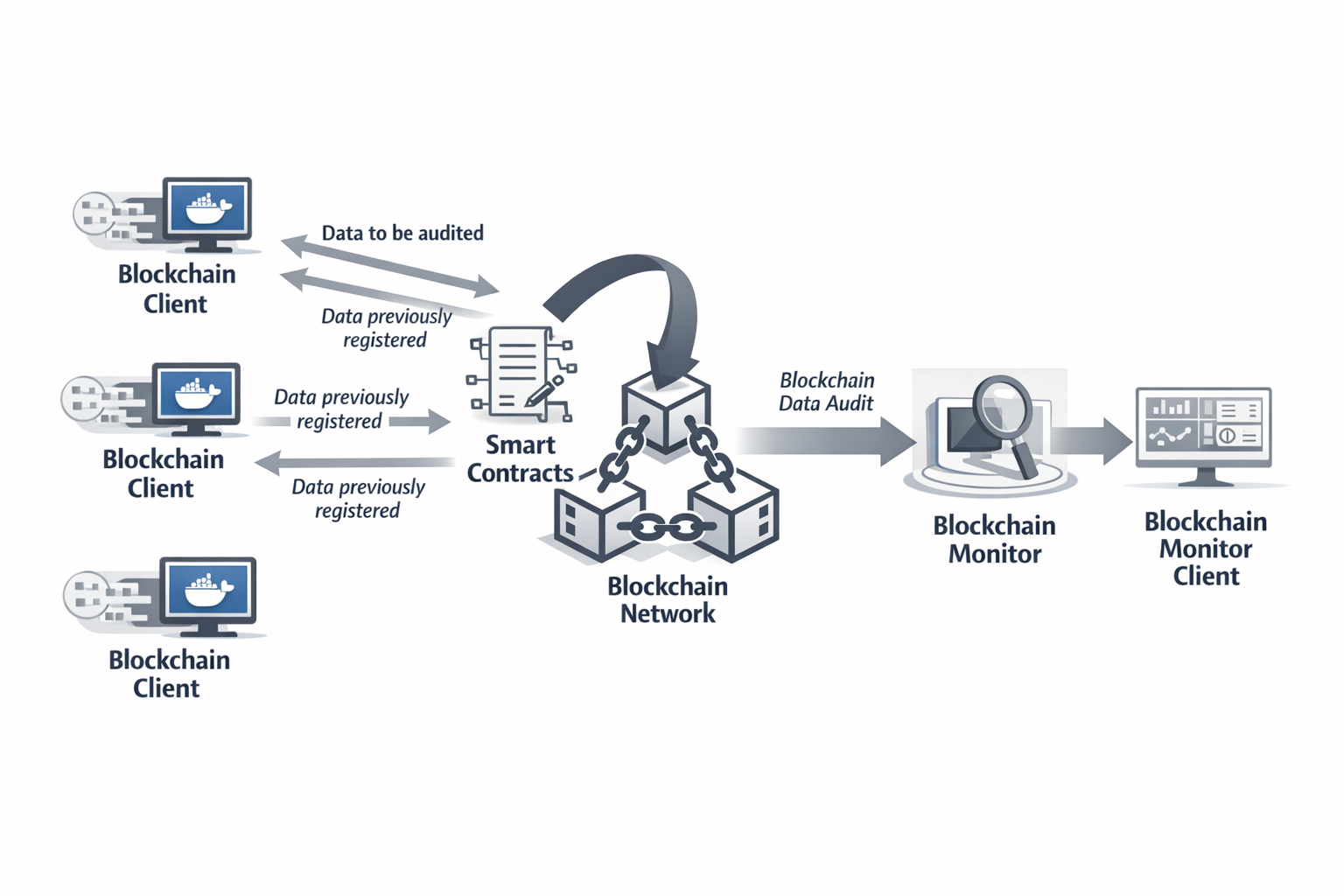
That meant working across engineering, legal, security, and operations to map personal data flows, identify systemic gaps, and prioritize product changes that reduced compliance risk across multiple products at once. I focused on turning regulatory requirements into concrete product capabilities such as consistent data access, deletion workflows, and auditability instead of relying on bespoke handling by individual teams.
A significant part of the role involved resolving conflicts between compliance expectations and operational constraints, ensuring that solutions were defensible to regulators while still workable for teams running live systems.
Decisions
One key decision was to centralize GDPR-relevant capabilities rather than embedding bespoke logic into each product. This reduced duplication and made future compliance changes easier to implement consistently.
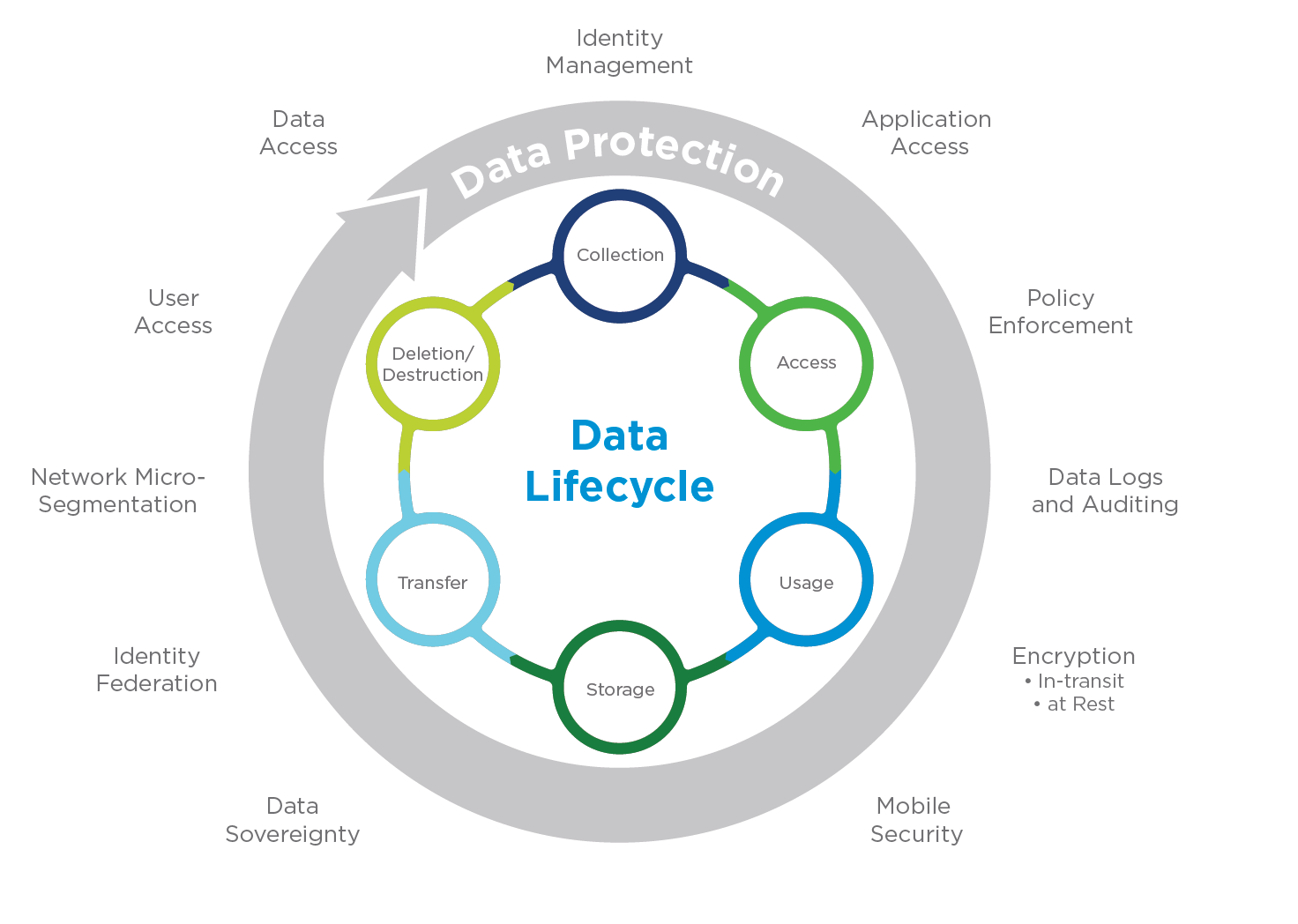
Another was to explicitly model data lifecycle states instead of treating deletion as a binary action. This allowed the platform to respect retention obligations while still honoring user rights, reducing legal and operational risk.
There were also deliberate tradeoffs around sequencing. High-risk data flows and customer-facing rights were addressed first, while lower-risk areas were scheduled in phases to avoid unnecessary disruption.
Risks
GDPR work can fail quietly.
Incomplete data mapping can create false confidence. Overly aggressive deletion can break systems or violate retention rules. Fragmented solutions can pass audits while remaining fragile in practice.
Managing these risks required clarity around ownership, explicit assumptions about data usage, and disciplined prioritization of changes with the highest regulatory and business impact.
Go-To-Market
The go-to-market approach positioned GDPR compliance as a trust and enterprise-readiness capability, not a regulatory tax.
Internally, compliance milestones were aligned with product roadmaps so teams understood how changes supported both regulatory obligations and customer confidence. Externally, GDPR readiness became part of enterprise conversations, reducing friction during security reviews and enabling deals that required demonstrable data governance.
Rather than marketing compliance features directly, the strategy focused on making GDPR capabilities reliable and repeatable, allowing sales and customer teams to speak confidently about how personal data was handled across the platform.
Outcomes
GDPR capabilities became more consistent across products, reducing reliance on manual processes and bespoke handling. Data subject requests could be addressed more predictably, and audit readiness improved without slowing core product development.
Most importantly, compliance shifted from a reactive obligation to a structured product capability that supported trust, enterprise adoption, and long-term scalability.