
Users
Enterprise Customers, Platform Engineering, Product & Operations Teams
Industry
Cybersecurity / Enterprise SaaS
Product Stage
Active Modernization of a Mature Platform
Legacy Platform → Next-Gen Product Integration
Integrating a legacy platform with next-generation products was not a one-time migration effort. It was an ongoing product strategy to modernize capabilities without disrupting existing customers, revenue, or operational stability.
The challenge wasn’t replacing old systems quickly. It was enabling new products to coexist, interoperate, and gradually take ownership of critical workflows while legacy platforms continued to operate at scale.
Context and Scope
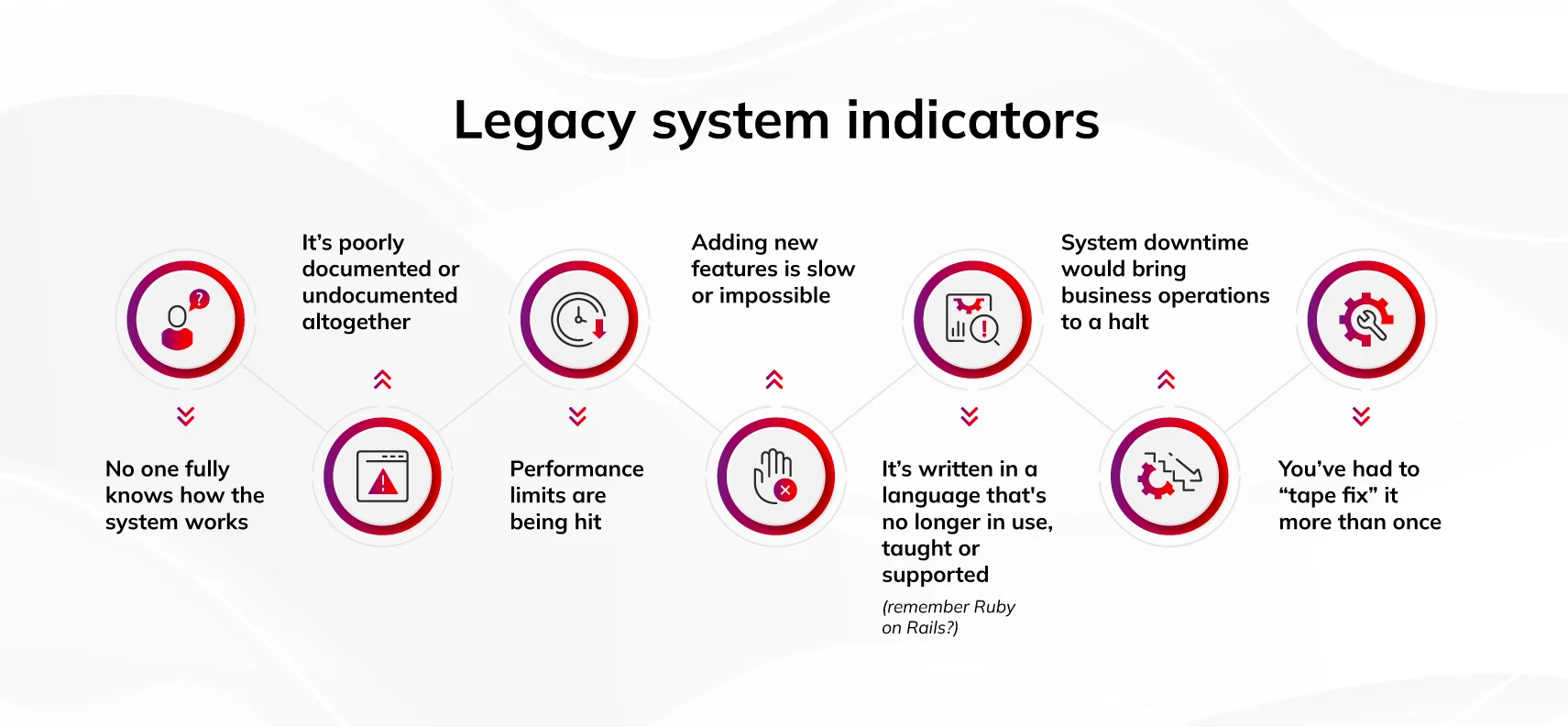
The product ecosystem included a mature legacy platform supporting long-standing customers alongside newer products built with modern architectures and delivery expectations.
Customers relied on the legacy platform for core workflows, while new products introduced improved experiences, security models, and extensibility. Both had to work together during a prolonged transition period, often serving the same customers simultaneously.
This created tension between speed and stability. Breaking existing integrations or forcing premature migrations would erode trust, while delaying integration would limit the value of next-gen products.
The Problem
Legacy and next-generation platforms were evolving at different speeds.
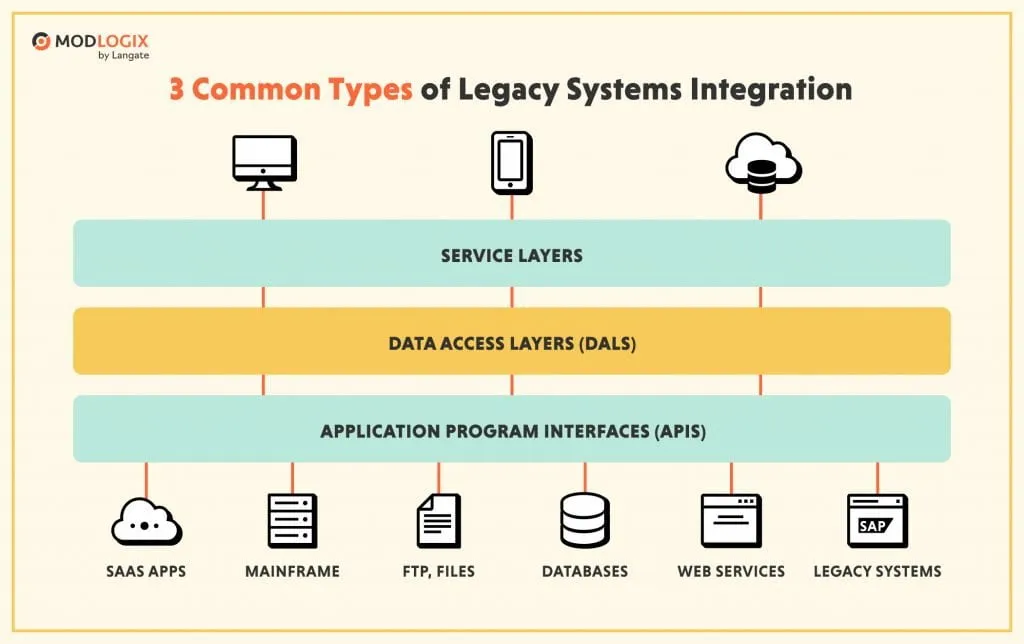
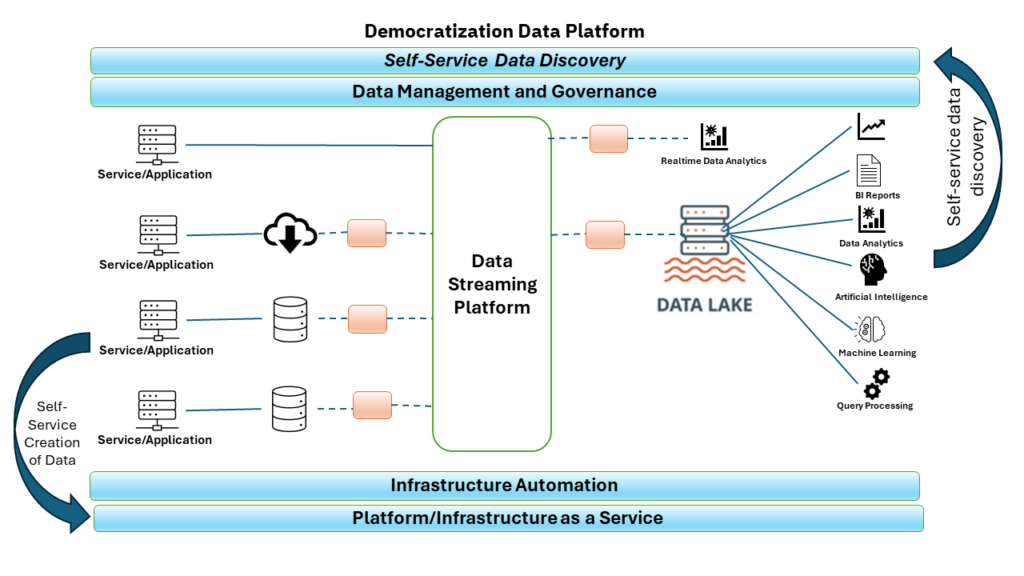
Data models, APIs, authentication mechanisms, and operational assumptions differed significantly. Without a deliberate integration strategy, teams risked duplicating functionality, fragmenting user experiences, and creating brittle point-to-point connections that would be difficult to unwind later.
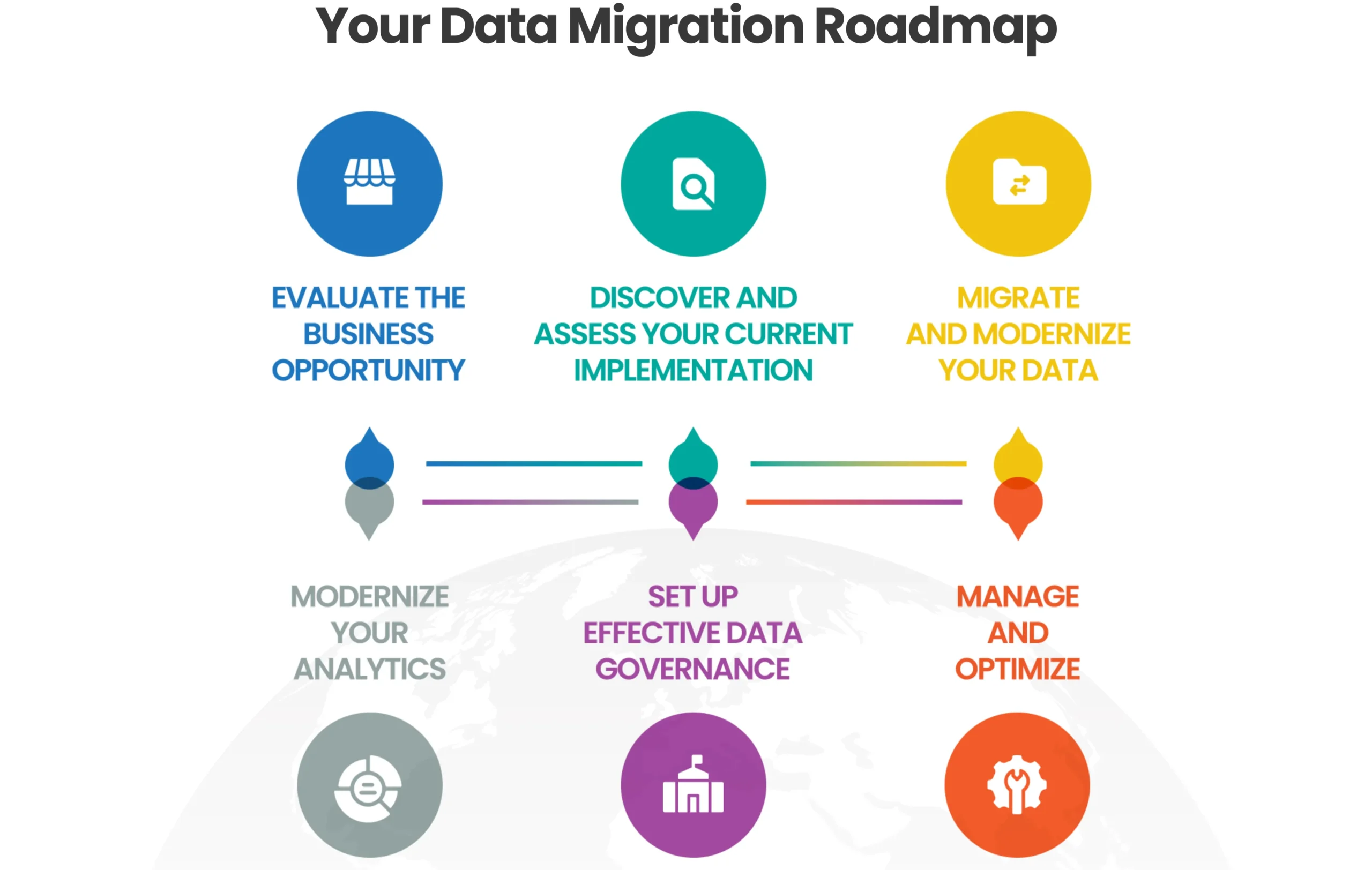
The core problem was enabling incremental modernization while preserving continuity allowing customers to adopt new capabilities without being forced into disruptive platform shifts.
My Role
I was responsible for defining the product-level integration strategy between the legacy platform and next-generation products.
That meant deciding which capabilities should remain anchored in the legacy system, which should transition to new products, and how responsibilities would shift over time. I worked closely with engineering, architecture, and operations teams to define integration boundaries that were explicit, stable, and aligned with long-term product direction.
A key part of the role was managing sequencing ensuring integrations delivered immediate customer value while also reducing long-term dependency on legacy components.
Decisions
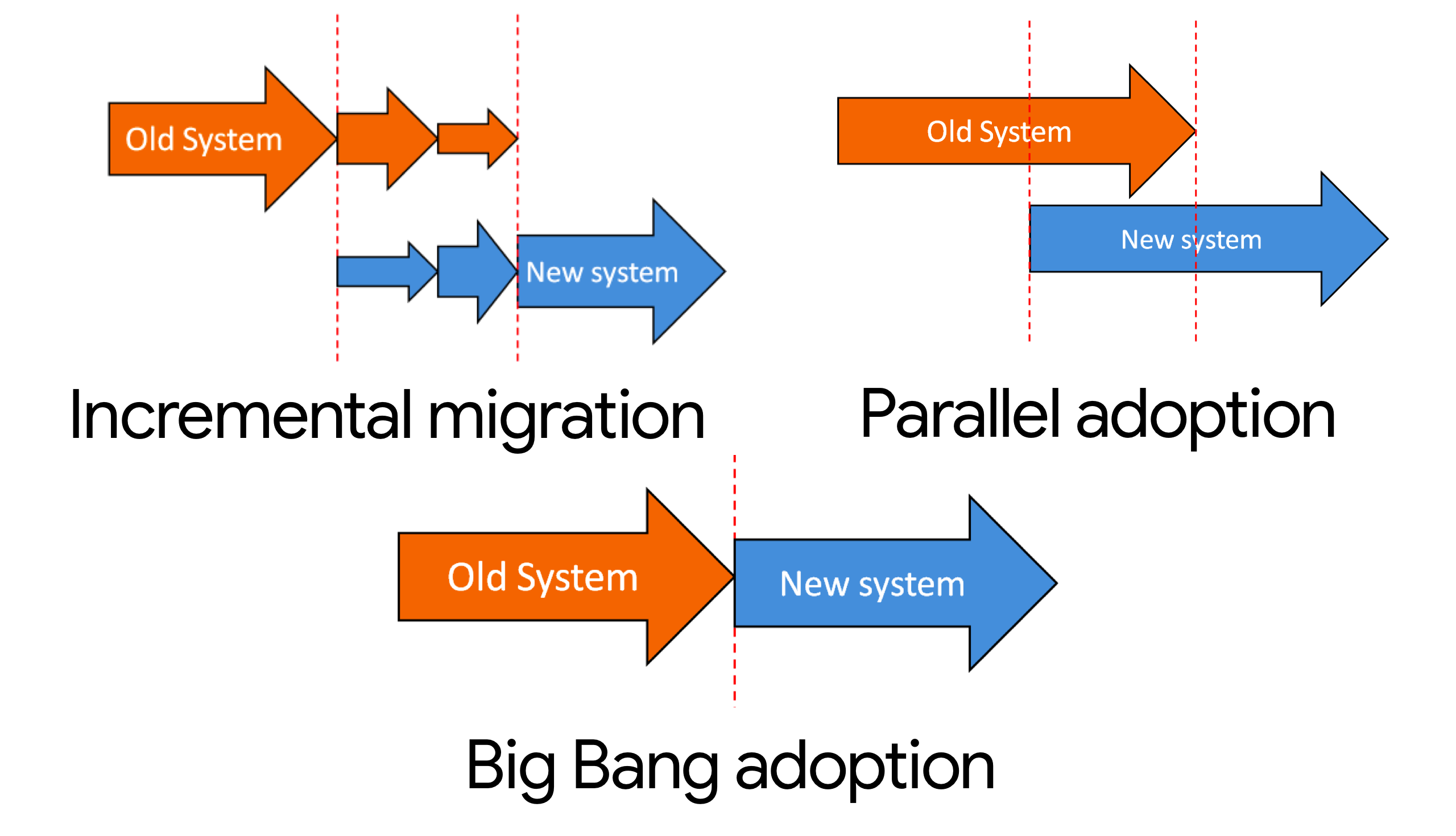
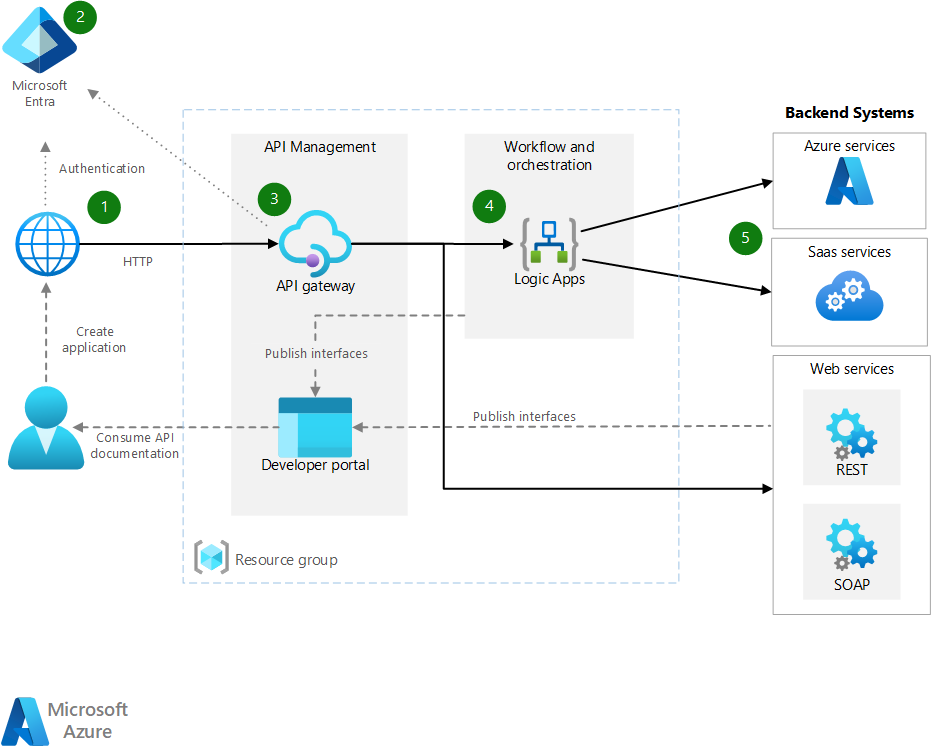
One key decision was to avoid “big-bang” migration patterns. Instead, integration focused on shared services and clearly defined interfaces that allowed next-gen products to consume legacy capabilities while gradually replacing them.
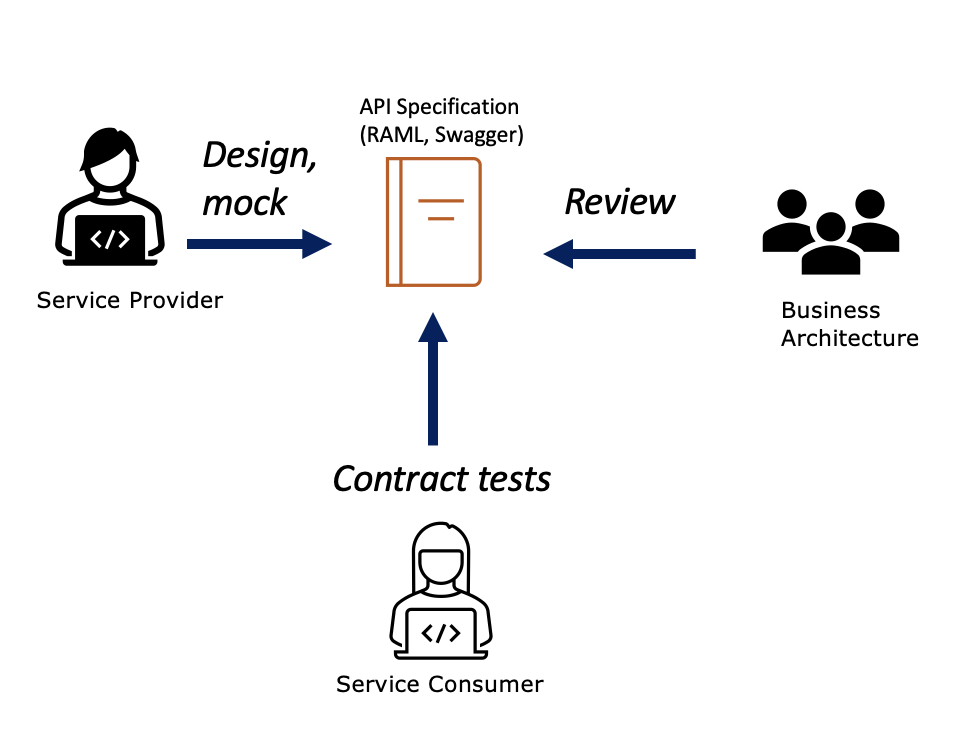
Another was standardizing contracts between systems. APIs and data exchanges were treated as long-lived product surfaces, reducing the need for repeated rework as products evolved independently.
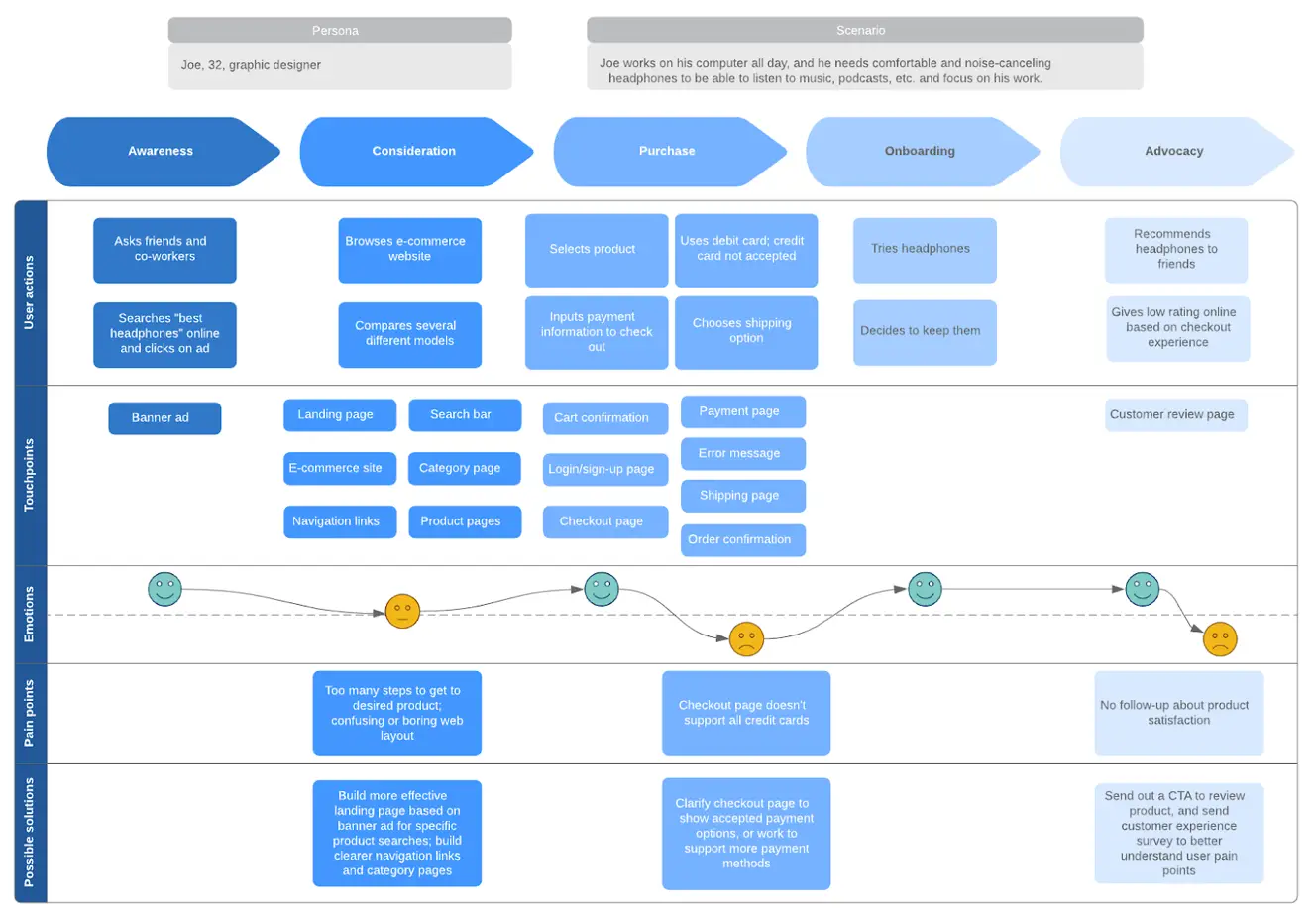
There were also deliberate decisions around customer experience. Rather than exposing integration complexity to users, transitions were designed to feel seamless, even when functionality was being served by different underlying systems.
Risks
Integration work carries hidden risks.
Tight coupling can slow both platforms. Partial migrations can create confusion around ownership. Poorly defined boundaries can lock the organization into transitional states indefinitely.
Managing these risks required clarity around end-state goals, explicit deprecation paths, and continuous alignment between product and technical leadership as priorities shifted.
Go-To-Market
The go-to-market approach focused on progressive adoption rather than forced migration.
Customers were introduced to next-generation capabilities incrementally, often through enhancements that complemented existing workflows rather than replaced them outright. This reduced resistance and allowed customers to experience value before committing to broader transitions.
Internally, integration milestones were aligned with product launches, ensuring that sales and customer teams could position next-gen products as extensions of existing investments rather than replacements. This preserved trust while enabling forward momentum.
Over time, as next-gen products matured, the integration strategy allowed them to become the primary surface for new capabilities, naturally shifting adoption without abrupt cutovers.
Outcomes
Customers were able to adopt new product capabilities without disruption to existing operations. Next-generation products gained traction while legacy platforms continued to function reliably during the transition period.
From a product perspective, the organization avoided costly rewrites and fragile integrations, establishing a clearer path toward modernization that balanced innovation with operational reality.