
Users
Cardholders, Merchants, Risk & Operations Teams
Industry
Financial Services / Payments
Product Stage
Mature, Mission-Critical Platform
Payments Authorization Platform (Payment Host)
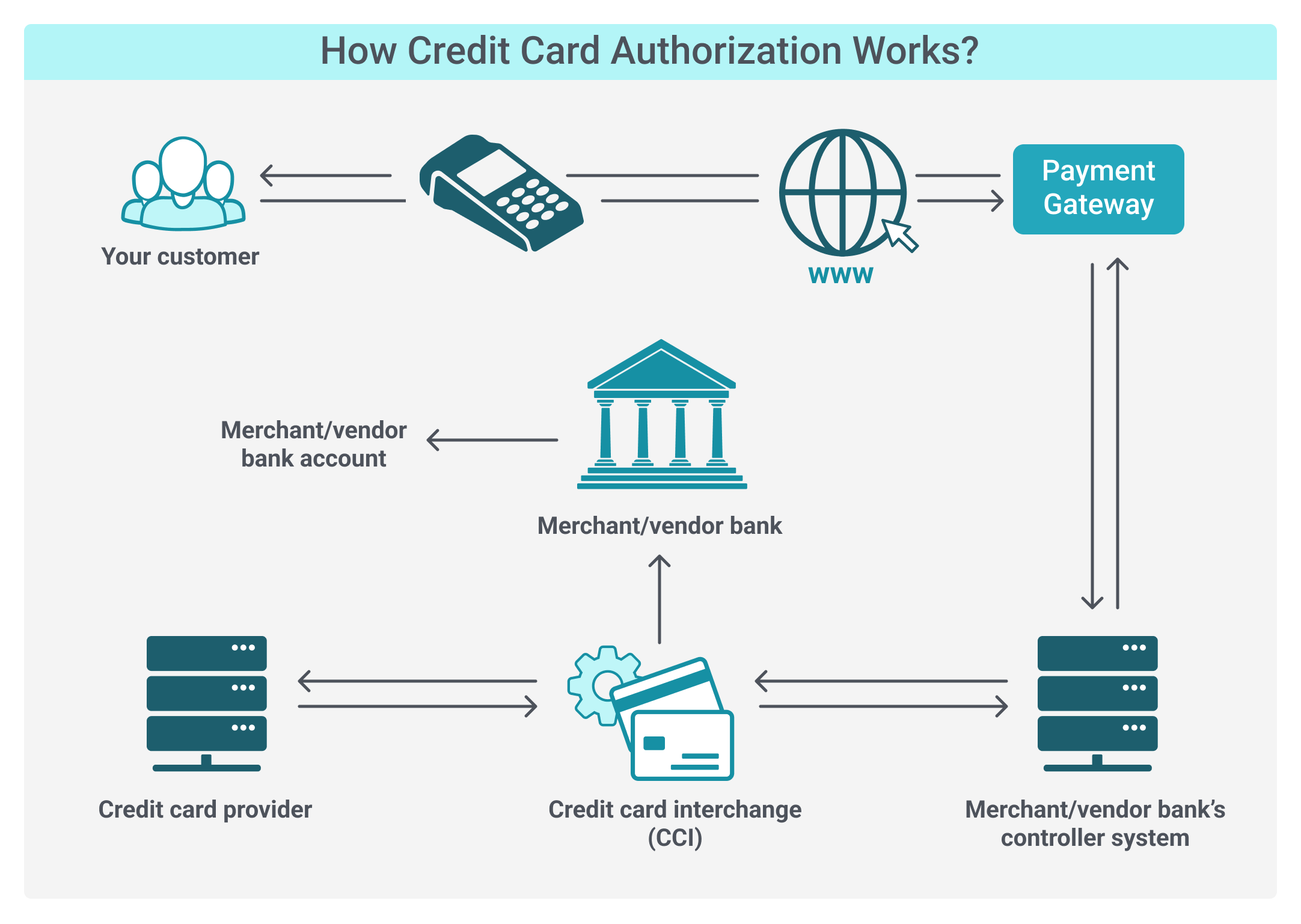
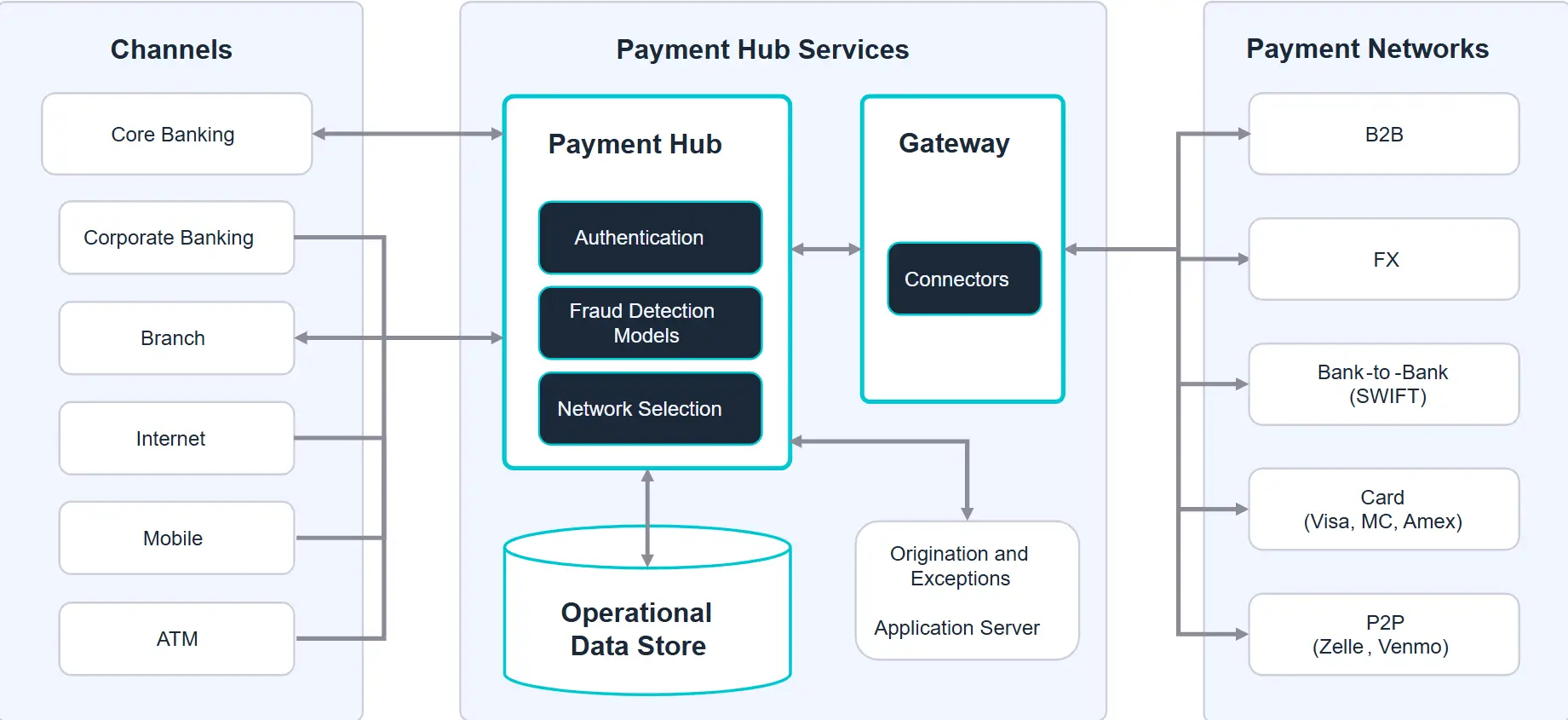
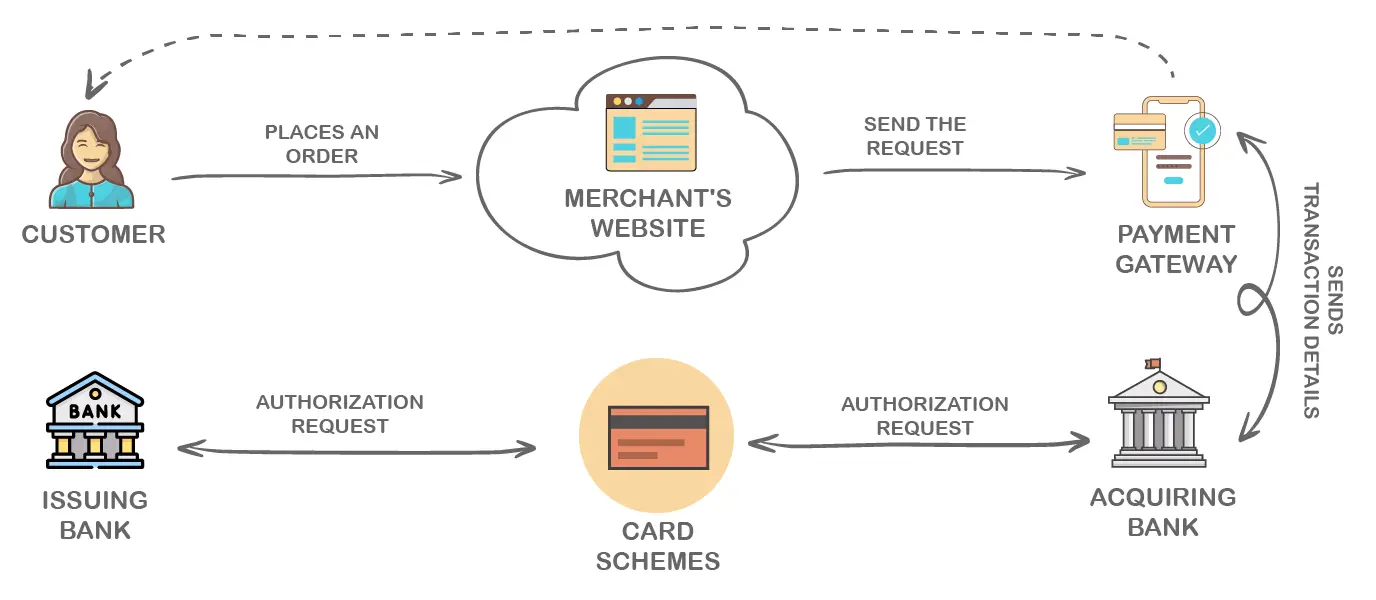
The payments authorization platform sat at the center of a global card transaction flow. Every card swipe or online payment passed through it, where a real-time approve or decline decision had to be made under tight latency thresholds and constant regulatory scrutiny.
At the same time, the platform had to keep up with growing transaction volumes, new payment methods, and increasingly sophisticated risk requirements. All of that needed to happen without introducing instability or inconsistent behavior across regions.
Authorization decisions had a high blast radius. Small changes could directly affect customer experience at the point of sale, create downstream operational load, or raise regulatory concerns if behavior became unpredictable.
Context and Scale
This was a mission-critical system operating at global scale:
-
Serving millions of cardholders and merchants
-
Processing tens of millions of transactions each month
-
Making sub-second decisions with no tolerance for systemic failure
When authorization works well, no one notices. When it doesn’t, the impact is immediate and visible declined transactions, customer complaints, merchant issues, and escalations across operations, risk, and compliance.
That’s the environment this platform lived in.
The Problem
As the platform evolved, pressure started to build from multiple directions.
Transaction volumes were increasing. New payment types and flows were being introduced. Risk teams needed richer decisioning to respond to emerging fraud patterns. At the same time, latency budgets stayed fixed and regulatory expectations around consistency and explainability continued to rise.
The risk wasn’t that the platform would suddenly fail, it was that incremental changes, layered over time, would slowly make the system harder to reason about, slower under load, and more fragile operationally.
The core challenge was improving decision quality and extensibility without sacrificing speed, consistency, or confidence in how the system behaved across markets.
My Role
I was responsible for how authorization capabilities evolved over time.
That meant setting direction and sequencing changes, not just reacting to requests as they came in. It meant prioritizing across competing demands from risk, compliance, and business teams, and being clear about what problems were worth solving now versus later.
Just as importantly, it meant making sure changes were safe to operate. That decision ownership was clear, tradeoffs were understood upfront, and teams knew what success actually looked like before anything went live.
Decisions
Most of the important work came down to tradeoffs.
One recurring tension was between deeper risk checks and latency. Rather than pushing richer checks into every authorization path, enhanced decisioning was applied selectively to higher-risk scenarios. That preserved fast paths for low risk transactions and avoided system-wide latency impact.
Another was sequencing. There was constant pressure to move faster by parallelizing changes. In practice, changes were staged deliberately to reduce operational ambiguity and ensure rollback was always possible if behavior deviated in production.
There were also frequent requests for localized optimizations. In many cases, those were declined in favor of keeping authorization behavior consistent across regions. It reduced short-term flexibility, but it significantly lowered long-term operational and compliance risk.
None of these decisions were about features. They were about keeping the platform predictable, governable, and safe to evolve.
Risks
If authorization changes were handled poorly, the failure modes were very real:
- Inconsistent declines across regions
- Increased customer complaints and merchant fallout
- Operational escalations and manual interventions
- Heightened regulatory scrutiny
Avoiding those outcomes shaped both what was prioritized and how changes were introduced into the system.
Outcomes
The platform continued to scale with transaction growth without degrading authorization latency. Teams gained more confidence in making changes because decision ownership and sequencing were clearer. The system became easier to evolve without introducing unexpected behavior.
Just as importantly, this work created a stable foundation for subsequent initiatives including new payment methods, digital wallets, and more advanced fraud controls without having to constantly rework the core authorization flow.