
Users
Corporate Clients, Treasury & Finance Teams, Payments Operations
Industry
Financial Services / Payments
Product Stage
Scaled, Real-Time Enterprise Payments Platform
Real Time Payments & Treasury Enablement
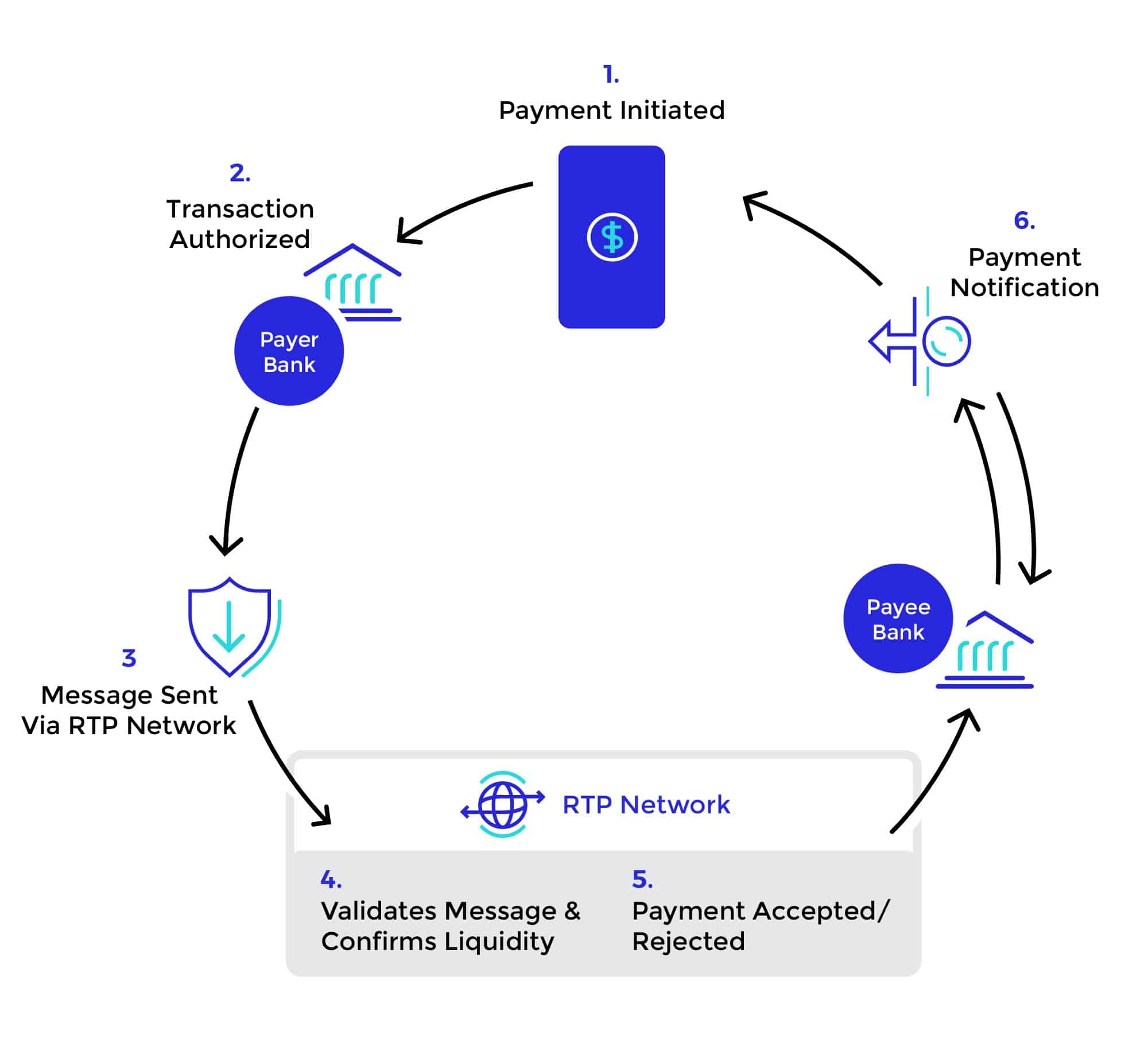
Real-time payments changed the way money moved through the organization. Instead of batch-based settlement and delayed visibility, payment events started occurring continuously, with immediate financial and operational implications.
For treasury and finance teams, this shift created both opportunity and risk. Faster payments improved liquidity and client experience, but they also removed the buffer that batch processing had historically provided. Decisions that once had hours of margin now had to be correct in real time.
Context and Scale
This sat between payment execution and financial operations.
On one side were high volume domestic and cross-border payment flows serving corporate clients with strict settlement and availability expectations. On the other were treasury and finance teams responsible for intraday liquidity, reconciliation, and cash positioning across multiple accounts and systems.
As payment velocity increased, gaps in visibility and reconciliation became more costly. Delays in understanding cash positions or mismatches between ledgers and treasury systems translated directly into operational risk and manual intervention.
The Problem
As real time payment capabilities expanded, existing treasury processes struggled to keep up.
Payment events were occurring faster than downstream systems could absorb them. Cash visibility lagged behind actual movement of funds, and reconciliation between payment ledgers and treasury systems relied heavily on manual processes designed for slower settlement models.
The core problem wasn’t just speed, it was alignment. Payments systems and treasury operations were no longer operating on the same timeline, creating risk around liquidity management, reporting accuracy, and operational workload.
My Role
I was responsible for shaping how real-time payment data flowed beyond the payments platform and into treasury and finance operations.
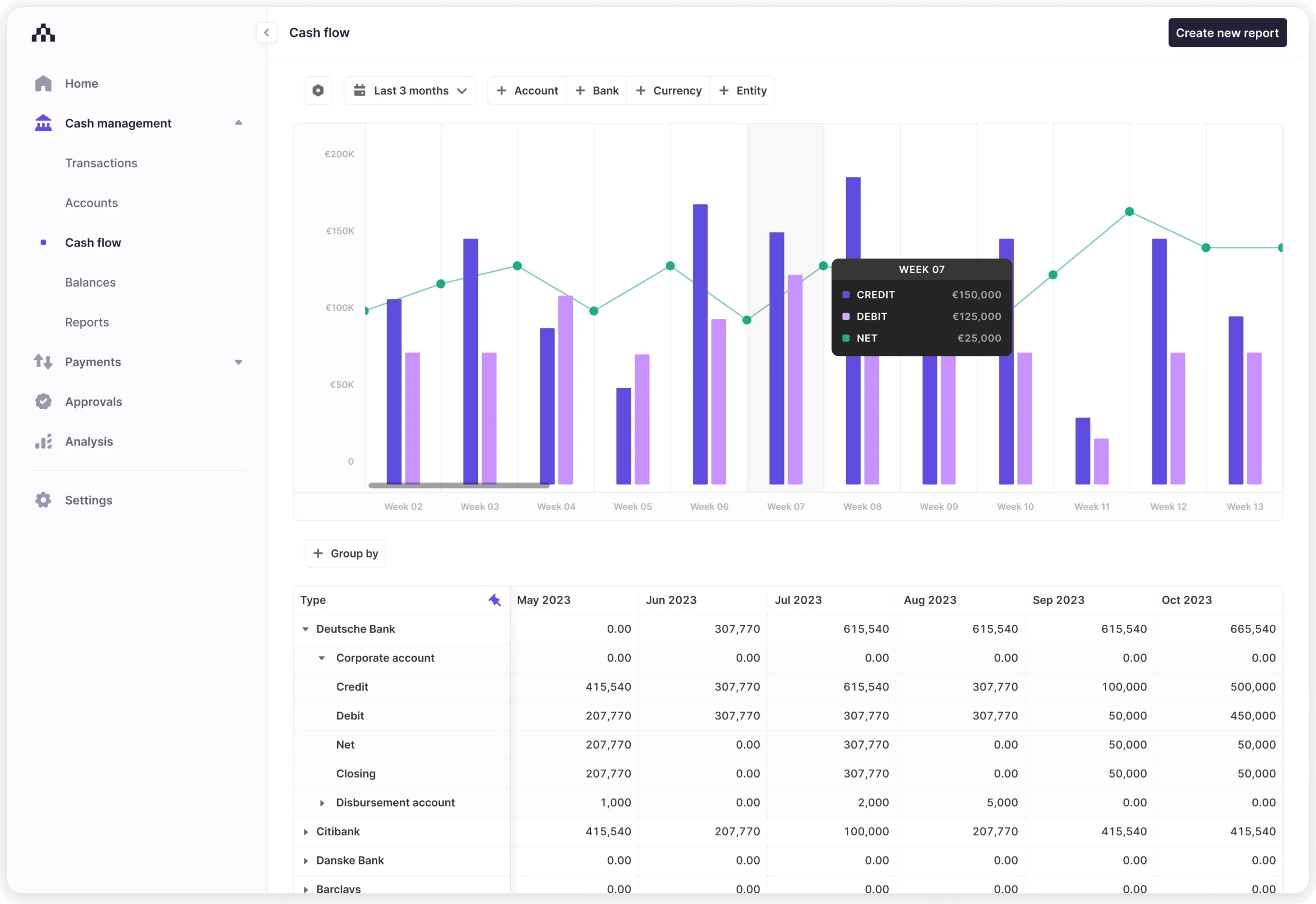
That meant working closely with treasury and finance teams to understand what information they needed during the day, not just at end-of-day settlement. I focused on ensuring that real-time payment events were exposed in a way that was timely, consistent, and usable for cash positioning and reconciliation.
At the same time, I worked with engineering teams to define how these events integrated with existing treasury systems without introducing fragile dependencies or excessive coupling. The goal was to improve visibility and accuracy without disrupting systems that were critical to financial reporting and controls.
Decisions
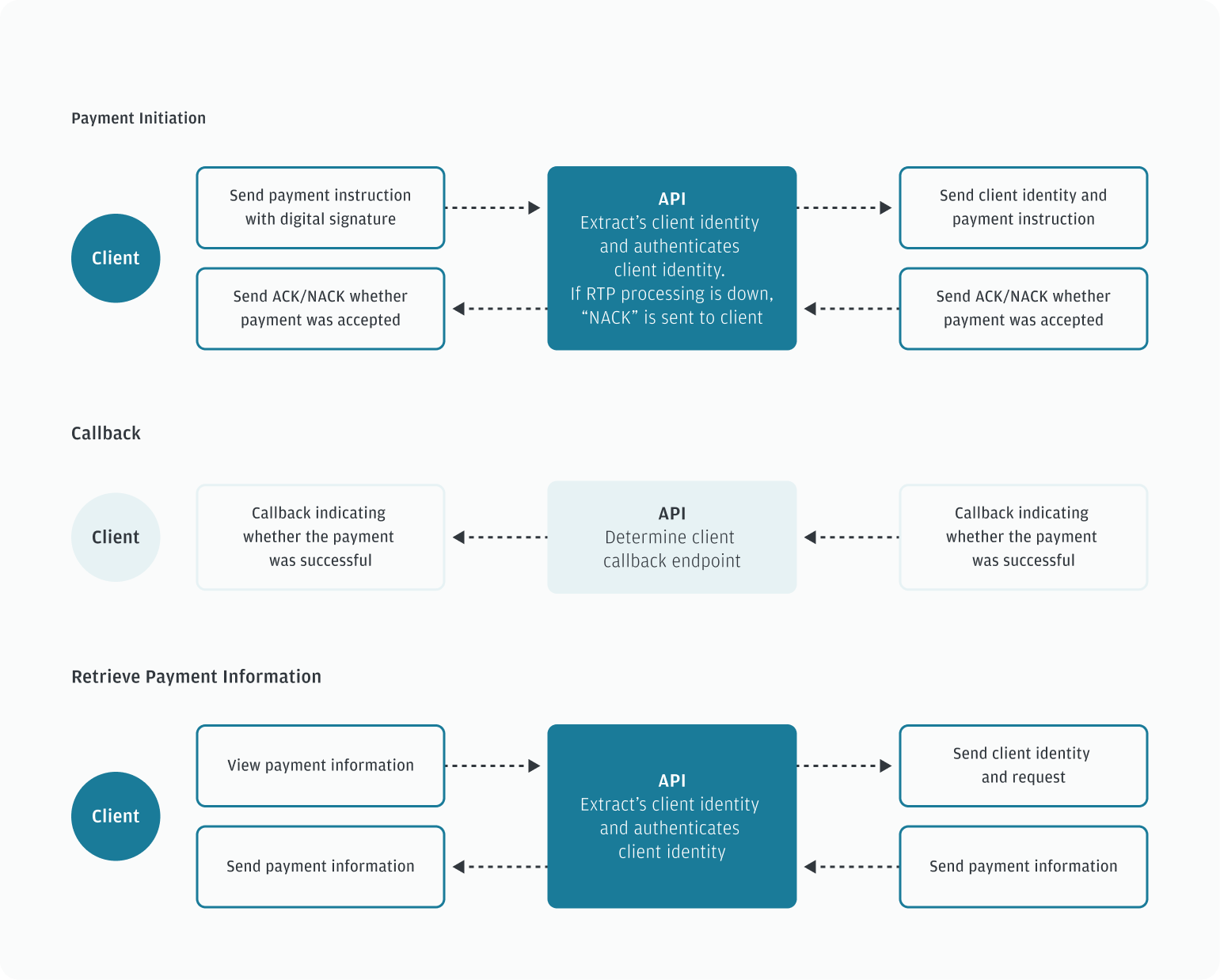
One key decision was to treat payment events as a data product, not just transaction outcomes. Real-time events were structured and surfaced so treasury systems could consume them incrementally, rather than relying on delayed batch updates.
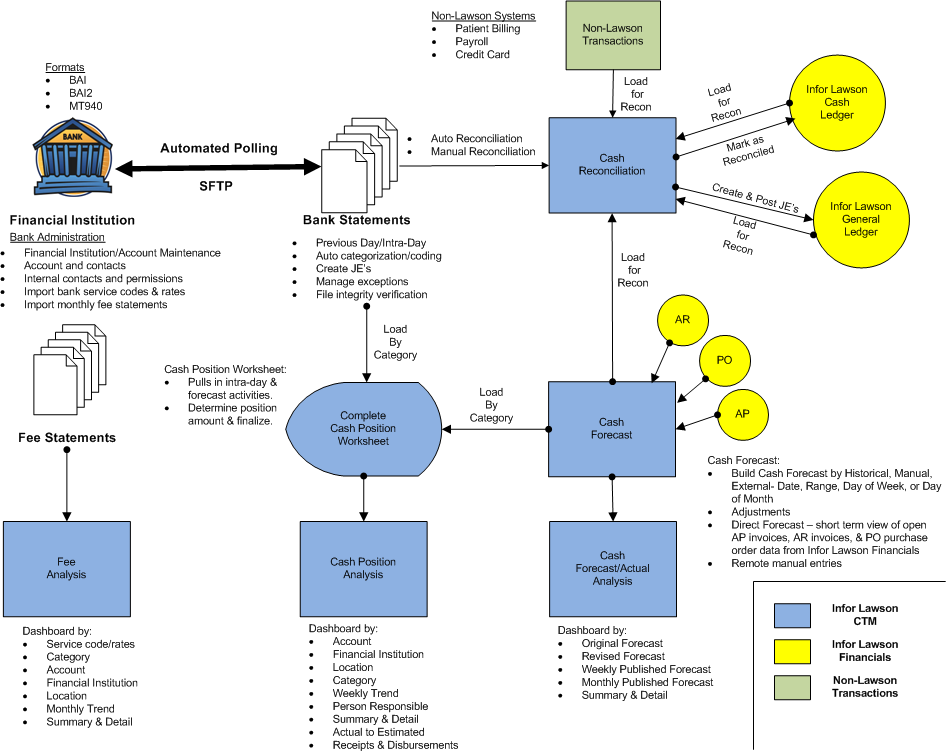
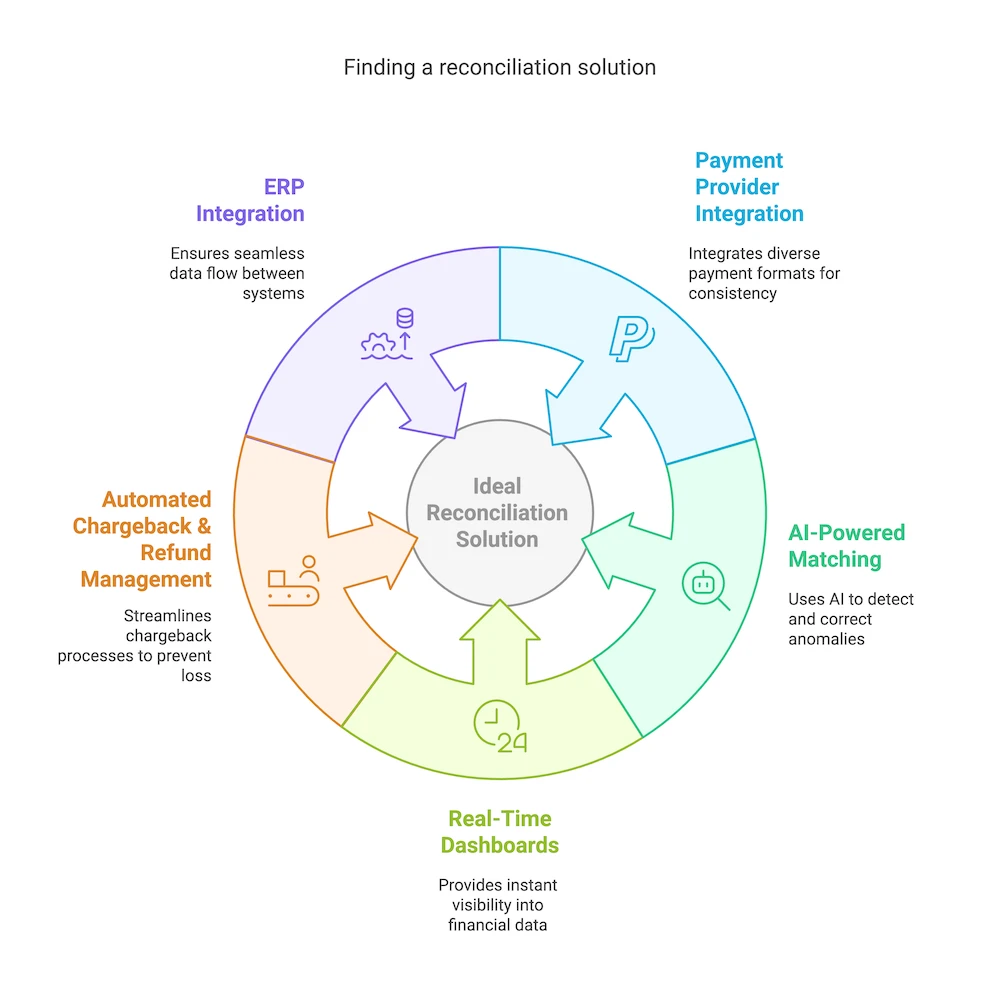
Another was how reconciliation was handled. Instead of optimizing solely for end-of-day matching, automation was introduced to support continuous reconciliation throughout the day, reducing the volume of issues that accumulated over time.
There were also tradeoffs around scope. Rather than attempting to rebuild treasury tooling wholesale, changes focused on augmenting existing systems with real-time signals, minimizing disruption while still delivering meaningful operational gains.
Risks
Real-time payments reduce tolerance for error.
Poor visibility into intraday cash positions could lead to liquidity surprises. Inaccurate or delayed reconciliation could undermine confidence in financial reporting. Overly tight coupling between payments and treasury systems could increase the blast radius of failures.
Managing these risks required careful sequencing, clear ownership of data contracts, and a bias toward incremental integration rather than sweeping replacements.
Outcomes
Treasury teams gained earlier visibility into cash movements during the day rather than waiting for end-of-day reports. Reconciliation between payment ledgers and treasury systems became more automated, reducing manual effort and shortening the time required to identify and resolve mismatches.
Overall, payment operations and financial operations became better aligned, allowing real-time payments to scale without introducing disproportionate operational risk.