
Users
Manufacturers, Distributors, Enterprise Buyers, Finance & Sales Operations Teams
Industry
B2B Commerce / Incentives
Product Stage
Scaled, Enterprise Incentives Platform
Volume Rebates Platform (B2B Rebates)
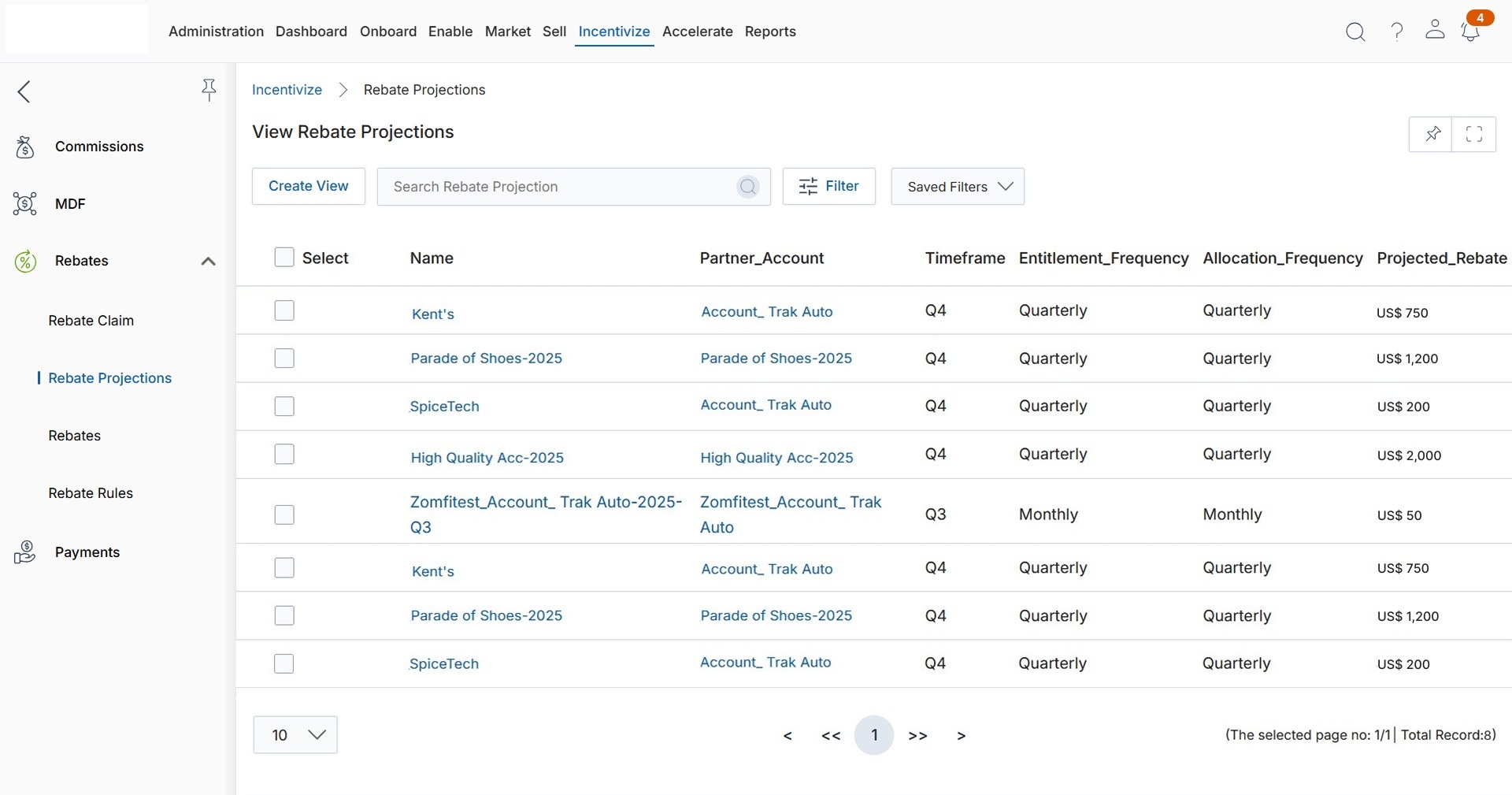
The volume rebates platform managed how incentive programs were defined, tracked, calculated, and paid across complex B2B relationships. Unlike consumer discounts, these rebates were contractual, multi-period, and financially material, often tied to large purchase volumes, tiered thresholds, and retroactive adjustments.
At scale, rebate programs weren’t just commercial tools. They were financial commitments that affected revenue recognition, partner trust, and audit outcomes. Small errors in calculation or visibility could create disputes, restatements, or breakdowns in partner relationships.
Context and Scale
The platform supported rebate programs spanning manufacturers, distributors, and enterprise buyers, often running across quarters or fiscal years.
Programs included tiered thresholds, cumulative volume tracking, exclusions, and retroactive adjustments. Finance teams relied on the platform for accrual accuracy and payout confidence, while sales and channel teams depended on it to structure incentives that actually influenced buying behavior.
As program volume increased, spreadsheet-based tracking and manual calculations became increasingly risky and unscalable.
The Problem
Volume rebate programs were difficult to operate with confidence.
Tracking progress toward thresholds was opaque. Accruals were often estimated manually. Disputes arose when partners and internal teams calculated earned rebates differently. By the time issues surfaced, they were costly to unwind.
The core problem was aligning commercial incentive design with financial correctness creating a system that could model complex rebate logic, track it accurately over time, and produce outcomes that both finance and partners trusted.
My Role
I was responsible for shaping the rebates platform as a system of record for incentive programs rather than a reporting overlay.
That meant defining how rebate programs were configured, how transactions contributed toward earned rebates, and how accruals and payouts were calculated over time. I worked closely with finance, sales operations, and engineering teams to ensure that incentive logic translated cleanly into deterministic, auditable calculations.
A key part of the role was deciding how much flexibility the platform should allow. The goal was to support common rebate structures without creating a rule engine so complex that outcomes became difficult to predict or explain.
Decisions
One major decision was to make rebate logic explicit and declarative. Program rules were defined upfront and applied consistently, reducing ambiguity and preventing downstream reinterpretation.
Another was separating earned rebates from paid rebates. This distinction allowed finance teams to track accruals accurately over time while giving partners clearer visibility into progress toward thresholds.
There were also deliberate tradeoffs around configurability. Rather than supporting every bespoke rebate structure, the platform prioritized patterns that covered the majority of programs cleanly, allowing edge cases to be handled intentionally rather than implicitly.
Risks
Rebate platforms fail quietly.
Calculation errors can accumulate unnoticed. Misaligned accruals can distort financial reporting. Lack of transparency can erode partner trust long before issues surface formally.
Managing these risks required tight control over rule definitions, consistent calculation behavior, and clear visibility into how rebate outcomes were derived.
Go-To-Market
The go-to-market strategy focused on economic credibility and operational adoption, not feature-driven selling.
Initial rollout targeted high-value rebate programs where manual tracking was already creating reconciliation pain and financial risk. These programs were onboarded with the platform positioned as the system of record for rebate calculation and accruals, not as an optional reporting tool.
Adoption was driven through workflow ownership. Progress tracking, accrual reporting, and payout calculations were centralized in the platform, making it the authoritative source for both internal teams and partners. As confidence grew, new rebate programs were launched directly on the platform by default, reducing setup time and eliminating parallel tracking.
Monetization scaled with program complexity and volume. As rebate structures became more sophisticated and financially material, the platform’s value increased by reducing disputes, protecting margins, and improving forecast accuracy.
Outcomes
Rebate programs became more predictable and easier to manage at scale. Finance teams gained clearer accrual visibility, disputes were reduced, and partners had better insight into earned incentives throughout the program lifecycle.
Most importantly, the platform enabled rebate programs to grow in size and complexity without a corresponding increase in operational or financial risk.